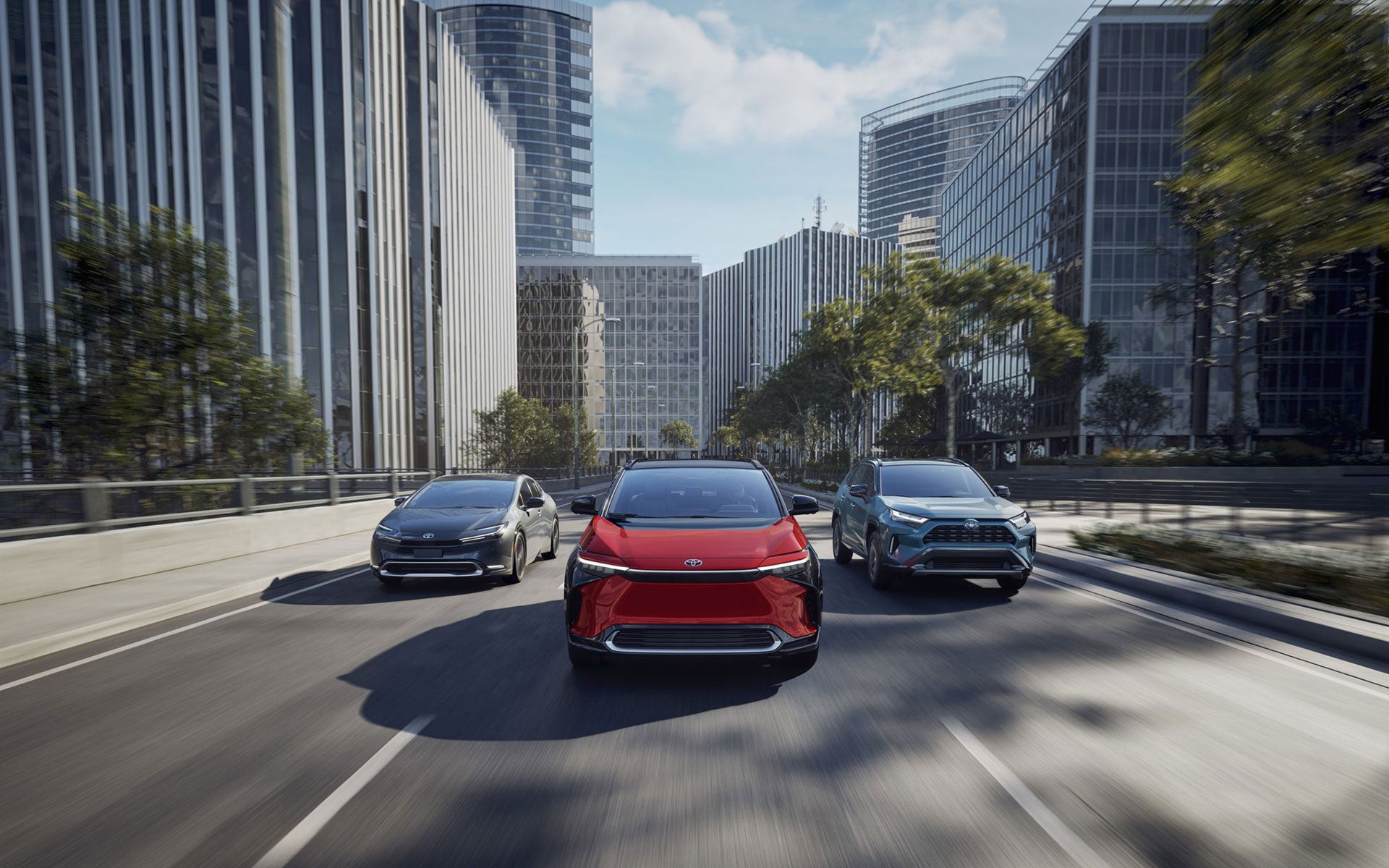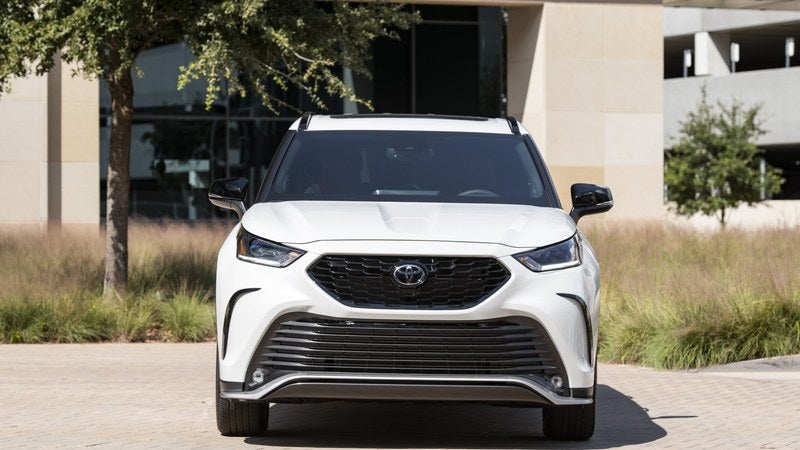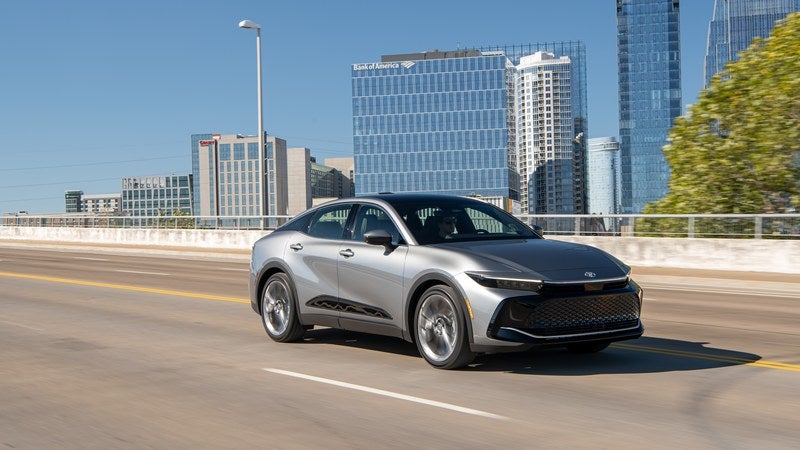


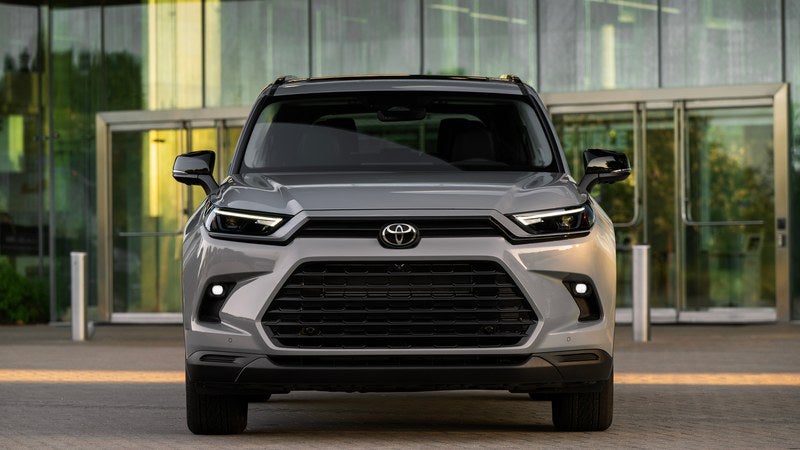
Toyota seating capacities for the 2026 lineup range from two to eight passengers, depending on the model and configuration. Sedans like the Camry and crossovers like the RAV4 seat five, family-focused SUVs and minivans such as the Highlander Hybrid, Sienna,4Runner, and Land Cruiser can seat seven or eight. Understanding Toyota seating capacities by vehicle helps shoppers quickly compare models, trims, and layouts to choose a vehicle that fits daily driving, family needs, and long trips.
At Findlay Toyota Prescott, our team is here to help you match the right Toyota to your lifestyle and passenger needs. We proudly support drivers with new and used vehicle sales, expert service, genuine Toyota parts, and ongoing care long after purchase. Visit Findlay Toyota Prescott or contact our team today to explore your options.
| Seating Capacity | Toyota Models |
|---|---|
| 2 seats |
|
| 4 seats |
|
| 5 seats |
|
| 7 or 8 seats |
|
How Many Seats Does the 2026 Toyota Lineup Offer Across All Models?
Choosing the right Toyota often starts with one simple question: how many passengers can it carry comfortably? The 2026 lineup covers a wide range of vehicles, from compact sedans to large SUVs and minivans, as well as versatile trucks. Understanding these seating capacities helps match a vehicle to your lifestyle, whether it’s daily commuting, family road trips, or adventure outings.
Sedans and Performance Hatchbacks (Seats 2 to 5 Passengers)
Most Toyota sedans and smaller performance models are built to seat five passengers, with a few exceptions for sportier vehicles:
- Camry, Camry Hybrid
- Corolla, Corolla Hybrid, Corolla Hatchback, GR Corolla
- Crown (Luxury Sedan)
- Prius, Prius Plug-In Hybrid
- Mirai
- GR86 (Sport Coupe)
- GR Supra (Sports Coupe)
SUVs and Crossovers (Seats 5 to 8 Passengers)
Toyota SUVs offer a wide range of seating options, from compact five-passenger models to large three-row family haulers:
- RAV4 / Hybrid / Plug-in Hybrid
- Corolla Cross / Hybrid
- Crown Signia (Mid-Size SUV)
- bZ4X (Electric SUV)
- 4Runner, 4Runner i-FORCE MAX (optional third row on select trims)
- Land Cruiser
- Highlander / Hybrid (7 or 8 passengers)
- Grand Highlander / Hybrid (7 or 8 passengers)
- Sequoia (7 or 8 passengers)
Minivans (Seats 7 to 8 Passengers)
- Sienna
Pickup Trucks (Seats 2 to 6 Passengers)
- Tacoma XtraCab (2 seats)
- Tacoma, Tacoma i-FORCE MAX (Double Cab 5 seats)
- Tundra, Tundra i-FORCE MAX (Double Cab or CrewMax, 5–6 seats depending on cab)
Understanding the official 2026 Toyota seating capacities makes it easier to choose the right vehicle without compromising passenger comfort or cargo space. To see these options in person and explore which configuration fits your lifestyle best, visiting Findlay Toyota Prescott offers a hands-on experience with popular models like the RAV4, Sienna, or Highlander.
How Do Toyota Sedans Compare to SUVs for Passenger Capacity?
Toyota sedans and SUVs differ most noticeably in how many passengers they can carry. Sedans focus on efficiency and comfort for smaller groups, while SUVs offer flexibility for families, cargo, and larger passenger loads.
Sedans: Practical and Comfortable
Sedans generally seat up to five passengers, providing smooth rides and ample legroom for front and rear seats. They are well-suited for daily commuting, running errands, or small families who value maneuverability and efficiency.
SUVs: Flexible for Family and Gear
SUVs can seat five to eight passengers, depending on the model and trim. Features like optional third rows, fold-flat seats, and extra cargo space make SUVs ideal for family trips, carpooling, or hauling gear. Models like the Highlander Hybrid offer three rows, making it easier to transport larger groups comfortably.
Key Differences
- Passenger Capacity: Sedans accommodate up to five, while SUVs can handle five to eight passengers.
- Interior Flexibility: SUVs provide configurable second- and third-row seating for added versatility.
- Cargo Space: SUVs offer more room for luggage, sports equipment, or everyday items.
- Driving Needs: Sedans are easier to park and more fuel-efficient, while SUVs are better for larger groups and multi-purpose trips.
Visiting Findlay Toyota Prescott gives you a chance to experience both options firsthand, helping you decide whether a sedan or SUV best fits your lifestyle.
Which Toyota SUVs Offer Third-Row Seating in 2026?
For families or anyone who frequently travels with larger groups, knowing which SUVs provide third-row seating is essential. While some Toyota SUVs seat five passengers by default, others expand capacity to seven or eight, giving you more flexibility.
SUVs with Standard Third Rows
Certain models come with a third row as a standard feature, allowing you to comfortably fit more passengers without sacrificing front- and middle-row space.
- Highlander / Highlander Hybrid
- Grand Highlander / Grand Highlander Hybrid
- Sequoia
- Sienna
These vehicles are designed to accommodate families, carpooling, or group trips, providing easy access to the third row and configurable seating to balance comfort and cargo space.
SUVs with Optional Third Rows
Other Toyota SUVs are primarily two-row vehicles but offer an optional third row in select trims, ideal for occasional extra passengers.
- 4Runner (optional third row on certain trims)
Optional third rows typically reduce cargo space slightly but give flexibility for growing families or weekend adventures.
Why Third-Row Seating Matters
- Passenger Versatility: Accommodate larger groups or multiple children comfortably.
- Trim and Configuration Options: Depending on trim, a third row may include bench seats or captain’s chairs for added comfort.
- Practicality: Third rows make SUVs suitable for long trips, carpools, or transporting extra passengers without needing a larger vehicle.
Exploring models like the Highlander or 4Runner at Findlay Toyota Prescott lets you see firsthand how third-row seating affects comfort and space. Experiencing the layout in person helps determine which SUV fits your needs best.
How Does Seating Capacity Change by Trim Level and Configuration?
Seating capacity in Toyota vehicles can vary depending on the trim and interior layout. Understanding these differences ensures you choose a configuration that fits your family, commuting needs, or lifestyle.
Bench Seats vs. Captain’s Chairs
Some SUVs and minivans offer different second-row options that directly impact how many passengers can ride comfortably.
- Bench Seats: Typically increase passenger capacity by allowing one extra seat, accommodating up to eight people in three-row vehicles.
- Captain’s Chairs: Provide easier access to the third row and more comfort for middle-row passengers, but reduce total seating by one, usually accommodating seven.
Models like the Sienna illustrate this perfectly. Depending on the trim, you can select either a bench seat for maximum passenger capacity or captain’s chairs for added comfort and easier third-row access.
Trim-Specific Changes
- Higher trims may prioritize luxury and comfort, often including captain’s chairs or premium seating materials.
- Base or mid-level trims often favor bench seats to maximize seating for larger families or carpools.
- Some configurations may also adjust cargo space or legroom depending on seat type.
Why Trim and Configuration Matter
- Passenger Count: Ensures you have enough seating for your regular passengers.
- Accessibility: Captain’s chairs make it easier for children or adults to reach the third row.
- Comfort vs. Capacity: Choosing between bench seats and captain’s chairs balances passenger comfort with the number of riders.
Visiting Findlay Toyota Prescott allows you to compare different trims and seating configurations in person, helping you choose the right setup for your family or daily driving needs.
How Can Seating Capacity Impact Cargo Space and Comfort?
Choosing a vehicle isn’t just about how many passengers it can carry. Seating capacity directly affects interior space, cargo room, and overall comfort, especially for SUVs and larger vehicles.
More Seats, Less Cargo Space
Vehicles with three rows of seating, like the 4Runner with its optional third row, can accommodate extra passengers, but the tradeoff is often reduced cargo space. Folding or removing seats can restore some storage, but fully loaded vehicles may limit the gear you can carry.
Comfort Considerations
- Legroom: Adding a third row can reduce legroom for middle-row passengers.
- Access: Captain’s chairs or split-folding seats make it easier to enter the third row.
- Seating Layout: Configurations that maximize passengers may sacrifice seat width or elbow room, affecting comfort on longer trips.
Balancing Passengers and Cargo
- Fold-flat seats allow quick transitions between carrying people and gear.
- Choosing the right trim or configuration can help you balance seating needs with storage requirements.
- SUVs like the 4Runner offer flexible cargo options while still providing optional seating for extra passengers.
Testing different configurations at Findlay Toyota Prescott helps you see how seating arrangements impact both comfort and cargo capacity. This hands-on experience makes it easier to choose a vehicle that meets your family’s or adventure needs.
Which Toyota Models Offer the Most Flexible Interior Seating in 2026?
Flexibility is key when a vehicle needs to accommodate both passengers and cargo. Certain Toyota models are designed to adapt to a variety of needs, offering multiple seating layouts, fold-flat options, and configurable rows.
Highly Flexible Models
- Sienna and Highlander: Offer three-row seating with either captain’s chairs or bench seats, allowing easy adjustment between passenger capacity and cargo space.
- Land Cruiser: Though primarily a two-row SUV in some trims, it provides a spacious and configurable interior to balance comfort and storage.
- 4Runner: Optional third-row seating and fold-flat rear seats make it suitable for both passengers and gear.
Features That Enhance Flexibility
- Fold-flat second and third rows
- Slide and reclining seats for comfort and accessibility
- Multiple configurations for adult passengers or children
These adaptable layouts ensure you can carry large groups, luggage, or recreational equipment without compromising comfort. Visiting Findlay Toyota Prescott allows you to explore the interior flexibility of models like the Land Cruiser and 4Runner, helping you choose the best setup for your lifestyle.
Which Toyota Vehicles Are Best for Families Versus Daily Commuters?
Choosing the right Toyota depends on your lifestyle. Some vehicles are tailored for families needing extra space, while others are perfect for daily commuting and city driving.
Best Options for Families
Vehicles with three rows or flexible seating work best for larger groups or frequent carpooling.
- Highlander / Highlander Hybrid
- Grand Highlander / Grand Highlander Hybrid
- Sienna
- Sequoia
- 4Runner (optional third row)
These models offer enough room for passengers, groceries, sports gear, or weekend trips. Third-row access and configurable seating make it easier to balance comfort with cargo space.
Best Options for Daily Commuters
Smaller sedans and compact SUVs provide efficiency, maneuverability, and easy parking for everyday use.
- Camry / Camry Hybrid
- Corolla / Corolla Hybrid / Corolla Hatchback / GR Corolla
- RAV4 / RAV4 Hybrid / RAV4 Plug-In Hybrid
- Crown
- Prius / Prius Plug-In Hybrid
These vehicles offer comfortable seating for up to five, excellent fuel efficiency, and smooth rides for commuting or running errands around town.
Visiting Findlay Toyota Prescott allows you to compare these options in person, helping you determine whether a larger SUV or a smaller sedan fits your daily needs and family lifestyle.
What Should Buyers Check Before Choosing a Toyota Based on Passenger Capacity?
Selecting a Toyota that matches your passenger needs goes beyond just counting seats. Paying attention to details ensures comfort, practicality, and long-term satisfaction.
Key Factors to Consider
- Trim Level: Different trims may offer captain’s chairs or bench seats, which affect total passenger capacity.
- Interior Layout: Look at how easily passengers can access the second and third rows, especially for models like the Highlander Hybrid.
- Cargo vs. Passenger Tradeoff: Higher seating capacity may reduce cargo space, so consider how much gear you typically carry.
- Optional Third Rows: Some SUVs, like the 4Runner, offer third-row seating only on select trims, making it optional rather than standard.
- Seat Comfort: Check legroom, seat width, and headroom, especially for adult passengers in the third row.
Additional Considerations
- Daily Use vs. Occasional Extra Seating: Decide whether you need extra seats every day or only occasionally.
- Family Growth or Group Travel: Think ahead about future passenger needs, school carpools, or weekend trips.
- Hands-On Experience: Visiting a dealership like Findlay Toyota Prescott lets you see, sit in, and test the configurations before making a decision.
By carefully checking these factors, you can choose a Toyota that fits your lifestyle, balancing passenger capacity, comfort, and practicality.
Frequently Asked Questions About Toyota Seating Capacities
Choosing the right Toyota often means understanding exactly how many passengers each model can carry and how seating configurations affect comfort, cargo, and family needs. These frequently asked questions provide clear answers for drivers looking to match vehicles to their lifestyle.
Which Toyota SUVs offer optional third-row seating, and which are true three-row models?
- Optional Third-Row SUVs: 4Runner (available on SR5 and Limited trims)
- True Three-Row SUVs: Highlander, Highlander Hybrid, Grand Highlander, Grand Highlander Hybrid, Sequoia, Sienna
How do seating configurations (bench vs captain’s chairs) vary across Toyota trims?
- Bench seats typically allow maximum passenger capacity (usually 8 in three-row models).
- Captain’s chairs provide easier third-row access and more middle-row comfort, reducing total seating by one (usually 7 passengers).
Models with this flexibility include Highlander, Highlander Hybrid, Grand Highlander, Grand Highlander Hybrid, Sienna, and Sequoia.
Which Toyota models are best for families needing easy car-seat installation?
Vehicles with wide second rows, accessible LATCH anchors, and sliding or split seats make car-seat installation easiest. Sienna, Highlander, Highlander Hybrid, Grand Highlander, Grand Highlander Hybrid, and 4Runner (select trims) are best suited for families.
How does seating capacity affect cargo volume and towing options across Toyota models?
Adding a third row reduces cargo space behind the last row. Folding or removing seats restores storage but can affect towing balance. Models like the 4Runner and Highlander provide flexible cargo space while maintaining strong towing capability within their respective classes.
Your Next Toyota Awaits at Findlay Toyota Prescott
Whether you are traveling from Cottonwood, Sedona, Pine, or Payson, Findlay Toyota Prescott makes it easy to find a vehicle that fits your lifestyle and seating needs. From the versatile RAV4 to the family-friendly Highlander Hybrid, the sleek Camry, spacious Sienna, rugged 4Runner, and capable Land Cruiser, our selection offers options for every passenger count and adventure.
For more information about the RAV4, explore its expected mileage, see how it compares to competitors with the RAV4 cost comparison, and review ownership costs to help plan for both comfort and long-term value. These insights make it easier to match seating configurations with your family or commuting needs.
Stop by Findlay Toyota Prescott to explore these vehicles in person, test drive models like the RAV4 and Highlander Hybrid, and discuss your seating and cargo needs. You can also contact our team directly to get personalized guidance and answers to any questions about our full Toyota lineup.
Get Directions to Findlay Toyota Prescott
Disclaimer: All information is provided for general informational and entertainment purposes only. While we strive for accuracy, we cannot guarantee that all content is complete, current, or error-free. Any reliance you place on such information is strictly at your own risk. This article may include opinions and is not endorsed by, or officially affiliated with, any vehicle manufacturer or brand. Always consult official sources – such as the vehicle’s owner’s manual, authorized dealerships, or certified professionals – for the most up-to-date and personalized information.