
Findlay Toyota Prescott

Blog

All 2024 Lineup Car Buying Tips Explore Prescott Toyota Trucks 2025 Lineup 2025 Toyota RAV4 Hybrid About Toyota Maintenance Tips Off-Roading Toyota Tacoma
Toyota SUVs Are the Best Used Cars

Which Toyota SUVs Are the Best Used Cars? [2026]

The best used Toyota SUVs in 2026 continue to be the Toyota RAV4, Highlander, 4Runner, Sequoia, Land Cruiser, Corolla Cross, and Venza because they combine long-term reliability, strong resale value, and low ownership costs. Whether you need a fuel-efficient SUV for daily driving, a rugged off-road model, or a spacious family vehicle, these reliable used Toyota SUVs stand out for their durability, safety technology, and ability to stay dependable well past 200,000 miles with proper maintenance. At Findlay Toyota Prescott, we are proud to help drivers find the right used Toyota SUV for every lifestyle and budget. Our team is here to support you with everything from vehicle sales and financing to certified service, genuine Toyota parts, and ongoing maintenance needs. If you are ready to explore the top used Toyota SUVs to buy in 2026, contact Findlay Toyota Prescott today or visit us to browse our used inventory in person. Explore Used Cars Get Directions Get in Touch Which Used Toyota SUVs Offer the Best Value in 2026? The best used Toyota SUVs 2026 shoppers can buy continue to be the Toyota RAV4, Highlander, 4Runner, Sequoia, and Land Cruiser. These SUVs stand out for their long-term reliability, strong resale value, and lower ownership costs. Whether you want fuel efficiency, family space, or off-road capability, Toyota offers dependable options that continue to perform well for years. Which Toyota SUVs Are the Smartest Used Buys? Toyota RAV4 (2016 to 2018 and 2021 to 2024): Known for excellent fuel economy, practical cargo space, and dependable daily performance. Toyota Highlander (2017 to 2019 and 2021 to 2023): A strong family SUV with available three-row seating and a durable 3.5L V6 engine. Toyota 4Runner (2014 to 2024): One of the most reliable used Toyota SUVs thanks to its rugged body-on-frame design and proven 4.0L V6 engine. Toyota Sequoia (2011 and newer): Offers strong towing capability, generous passenger space, and impressive long-term durability. Toyota Land Cruiser (2017 to 2020): Highly respected for premium comfort, off-road capability, and exceptional longevity. Toyota SUVs continue to hold their value because buyers trust their reliability, safety features, and long-lasting performance. Drivers near Prescott, Cottonwood, Sedona, Pine, and Payson often choose Toyota SUVs for both daily driving and weekend travel across Arizona. If you are searching for reliable used Toyota SUVs, Findlay Toyota Prescott offers a wide selection of used Toyota models to explore. Our team is here to help you compare options and find the right SUV for your needs. Why Are Toyota SUVs Known for Long-Term Reliability? Toyota SUVs are known for long-term reliability because they use proven engineering, durable parts, and simple designs that reduce failure points. Many of the top-used Toyota SUVs stay on the road for high mileage because their engines and transmissions are built for long service life, not constant redesigns. What Drives Toyota SUV Durability? Toyota focuses on long-lasting core systems instead of complex features that can wear out faster. Key reliability strengths include: Proven engine designs with long service history Durable automatic transmissions with stable performance Simple hybrid systems with well-tested components Strong cooling systems that support extended mileage Wide parts availability for easier maintenance How Reliability Impacts Ownership Costs Long-term reliability helps keep ownership costs steady and predictable. Toyota SUVs are less likely to need major repairs, which reduces surprise expenses over time. This results in: Fewer unexpected repairs Consistent maintenance needs Strong resale value retention Longer usable vehicle lifespan Why It Matters for Arizona Drivers Drivers near Prescott, Cottonwood, Sedona, Pine, and Payson often need vehicles that can handle long highway stretches and changing road conditions. Reliable Toyota SUVs offer confidence for both daily driving and weekend travel without frequent service interruptions. For anyone comparing the top used Toyota SUVs to buy, reliability remains one of the biggest reasons these models continue to stand out. Findlay Toyota Prescott can help you explore dependable Toyota SUVs and match you with a vehicle built for long-term ownership. Which Used Toyota RAV4 Models Are the Smartest Buys? The RAV4 is a key part of many Toyota used SUV recommendations for 2026 because it delivers strong fuel economy, practical space, and long-term dependability. It fits daily driving needs without high ownership costs. Which RAV4 Years Offer the Best Value? 2016 to 2018 models: Known for simple mechanics, strong reliability, and low maintenance needs. 2019 to 2020 models: Offer updated design, more space, and improved safety features. 2021 to 2024 models: Add newer tech, upgraded infotainment, and advanced driver assistance systems. Why the RAV4 Remains a Top Used Choice The RAV4 continues to rank among the top used Toyota SUVs to buy because it balances efficiency and practicality in a compact SUV. Key strengths include: Strong fuel economy, especially in hybrid versions Flexible cargo space for daily use and travel Easy and affordable maintenance Comfortable ride for city and highway driving Where the RAV4 Fits Best Drivers in areas like Prescott, Cottonwood, Sedona, Pine, and Payson often choose the RAV4 for its mix of efficiency and versatility. It handles commuting, errands, and longer drives with ease. For used Toyota SUV recommendations in 2026, Findlay Toyota Prescott offers a selection of RAV4 models to help you compare trims, mileage, and features in one place. Why Is the Toyota Highlander One of the Best Family SUVs to Buy Used? The Highlander is a strong choice among reliable used Toyota SUVs because it blends comfort, space, and long-term dependability. It works well for families who need extra seating and steady performance for daily driving and longer trips. Why Families Choose the Highlander The Highlander offers three-row seating in a size that is still easy to drive day to day. It feels stable on highways and manageable in parking lots, which adds to its everyday practicality. Key strengths include: Available three-row seating for larger families Smooth and quiet highway driving Strong safety ratings across key model years Flexible cabin layout for passengers and cargo Best Used Highlander Model Years 2017 to 2019 (V6 models): Known for the durable 3.5L V6 engine and smooth long-distance performance. 2021 to 2023 (Hybrid models): Focused on improved fuel efficiency while maintaining strong reliability and comfort. Real-World Use for Families The Highlander fits daily routines like school runs, errands, and weekend travel. Its interior space works well for growing families who need flexibility without moving to a larger SUV. In areas like Prescott, Cottonwood, Sedona, Pine, and Payson, it is commonly used for both city driving and longer highway trips where comfort matters. Why It Remains a Smart Used-Car Choice The Highlander continues to stand out in reliable used Toyota SUVs because it offers long-term durability with practical family space. It is a steady option for buyers who want a vehicle built for consistent everyday use. Findlay Toyota Prescott can help you compare Highlander model years and features so you can choose the right fit for your family’s needs. What Makes the Toyota 4Runner a Legendary Used SUV? The 4Runner is one of the most recognized models among the best used Toyota SUVs of 2026 because of its rugged build and long-lasting mechanical simplicity. It is designed for drivers who want durability and off-road strength over time. Why the 4Runner Stands Out The 4Runner uses a body-on-frame design that is built for strength and long service life. Its simple engineering helps reduce long-term mechanical issues. Key strengths include: Body-on-frame construction for durability Proven 4.0L V6 engine with long lifespan Strong off-road capability for rough terrain High resale value in the used market Best Used 4Runner Model Years 2014 to 2015: Early 5th-generation models with proven long-term reliability. 2020 to 2024: Updated with modern features like Apple CarPlay and advanced safety systems while keeping the same core mechanical design. Built for Real Driving Conditions The 4Runner handles a wide range of conditions, from highway travel to unpaved and mountainous roads. It is commonly chosen for outdoor use where strength and durability matter more than comfort-focused features. In areas like Prescott, Cottonwood, Sedona, Pine, and Payson, it is often used for weekend trips, camping, and mixed-terrain driving. Why It Remains a Top-Used Choice The 4Runner continues to rank highly in best used Toyota SUVs 2026 discussions because it delivers long-term dependability and strong resale demand. It remains one of the most reliable used Toyota SUVs for drivers who prioritize durability and capability. Findlay Toyota Prescott offers a range of 4Runner models for drivers who want to compare years, trims, and features in one place. Which Used Toyota SUVs Work Best for Large Families and Heavy-Duty Needs? Drivers who need extra passenger space, towing capability, and long-term durability often look to Toyota’s larger SUVs. Among the top used Toyota SUVs to buy, the Sequoia and Land Cruiser stand out for their strength, reliability, and versatility. Which Models Handle Bigger Demands Best? Toyota Sequoia (2011 and newer) Built for large families and heavy workloads, the Sequoia offers generous interior space and strong towing capability. Key strengths include: Spacious three-row seating Strong towing performance Durable powertrain designed for high mileage Comfortable highway driving Toyota Land Cruiser (2017 to 2020) The Land Cruiser combines premium comfort with exceptional durability, making it a popular choice for long-distance travel and demanding conditions. Key strengths include: Proven off-road capability Refined interior for extended trips Exceptional long-term durability Strong performance on rugged terrain Why Do These SUVs Remain Popular Used Choices? Both models are known for handling passengers, cargo, and towing duties with confidence. Their long service life and strong resale value continue to make them standout options for buyers who need more capability than a typical midsize SUV. Drivers from Prescott, Cottonwood, Sedona, Pine, and Payson can visit Findlay Toyota Prescott to compare available Sequoia and Land Cruiser models and find the right SUV for their family and towing needs. Is the Toyota Corolla Cross a Smart Used SUV for Daily Driving? The Corolla Cross is becoming a practical option in Toyota’s 2026 used SUV recommendations because it prioritizes efficiency, ease of driving, and low ownership costs. It is designed for drivers who want SUV practicality in a compact and simple package. Which Corolla Cross Model Years Are Best? 2022 to 2024 models: Offer modern safety features, practical interior space, and strong everyday usability. 2023 to 2024 Hybrid models: Add improved fuel economy and more horsepower than the standard gas-powered version. Why It Works Well for Daily Use The Corolla Cross is built for everyday driving conditions like commuting, errands, and short trips. Its smaller size makes it easier to park and maneuver in tighter spaces while still offering useful cargo room. Key strengths include: Compact size for easy city driving Fuel-efficient performance for daily commutes Simple maintenance and lower upkeep costs Comfortable seating for small families or solo drivers How It Compares in Real Life This model is often chosen by drivers who want more space and visibility than a sedan without moving into a larger SUV. It provides a practical balance of comfort and efficiency for routine travel. In areas like Prescott, Cottonwood, Sedona, Pine, and Payson, it works well for stop-and-go driving as well as longer regional trips where fuel savings matter. Why It Is a Strong Used Option Among reliable used Toyota SUVs, the Corolla Cross stands out for its affordability and straightforward design. It focuses on core driving needs rather than complex features, which helps keep long-term ownership simple. For drivers exploring Toyota used SUV recommendations for 2026, Findlay Toyota Prescott offers access to Corolla Cross models that can be compared alongside other Toyota SUVs to find the right fit for daily driving needs. Which Toyota SUVs are the best used buys for reliability and resale value in 2026? The best used Toyota SUVs for reliability and resale value in 2026 are the RAV4, Highlander, 4Runner, Sequoia, and Land Cruiser, as they are known for long-term durability, strong demand, and low ownership costs. What model years and trims of Toyota SUVs offer the best combination of features and proven durability? The strongest value comes from these model ranges and trims: RAV4: 2016 to 2018 and 2021 to 2024, especially Hybrid and XLE trims. Highlander: 2017 to 2019 V6 models and 2021 to 2023 hybrid models. 4Runner: 2014 to 2024, especially SR5 Premium and TRD Off-Road trims. Sequoia: 2011 and newer models with proven long-term durability. Land Cruiser: 2017 to 2020 models are known for reliability and off-road strength. What pre-purchase inspection items are critical when buying a used Toyota SUV? Critical inspection items include service history, oil change consistency, brake and tire condition, transmission smoothness, suspension condition, and underbody rust. For hybrid models, battery health and system performance should also be checked. How do ownership costs (maintenance, parts availability) compare across popular used Toyota SUVs? Ownership costs are generally lower across Toyota SUVs compared to many competitors because parts are widely available and maintenance schedules are simple. Compact models like the RAV4 and Corolla Cross typically cost less to maintain, while larger SUVs like the Sequoia and Land Cruiser may have higher fuel and service costs but still benefit from strong reliability and parts support. Are there particular Toyota SUVs to avoid used due to known issues or high repair costs? Certain model years are better avoided, including the 2019 RAV4 (early redesign software and transmission hesitation issues) and 2020 Highlander (first-year generation adjustments). Some hybrid AWD RAV4 models from 2019 to 2021 should also be carefully inspected for rear cable corrosion concerns known as “Cablegate.” Find Your Next Reliable Toyota SUV at Findlay Toyota Prescott Choosing a used Toyota SUV comes down to matching long-term reliability with real driving needs. The strongest options continue to be models known for durability, steady performance, and low ownership stress over time. When drivers focus on proven engineering, simple maintenance, and strong resale value, they tend to land on SUVs that stay dependable for many years. For deeper research, drivers can also explore related topics like the Toyota longevity guide, RAV4 trim options, and a Toyota fuel efficiency breakdown. These resources help break down how different models compare in real ownership situations, from long-term durability to everyday fuel savings. Drivers from Cottonwood, Sedona, Pine, and Payson can visit Findlay Toyota Prescott to explore a wide selection of used Toyota SUVs, including the RAV4, Highlander, 4Runner, Sequoia, and more. Our team is here to help you compare options in person and find a vehicle that fits your daily driving needs and long-term goals. If you are ready to take the next step, contact Findlay Toy

Read More
2026 Toyota Truck Lineup

2026 Toyota Truck Lineup: Tacoma vs. Tundra Compared

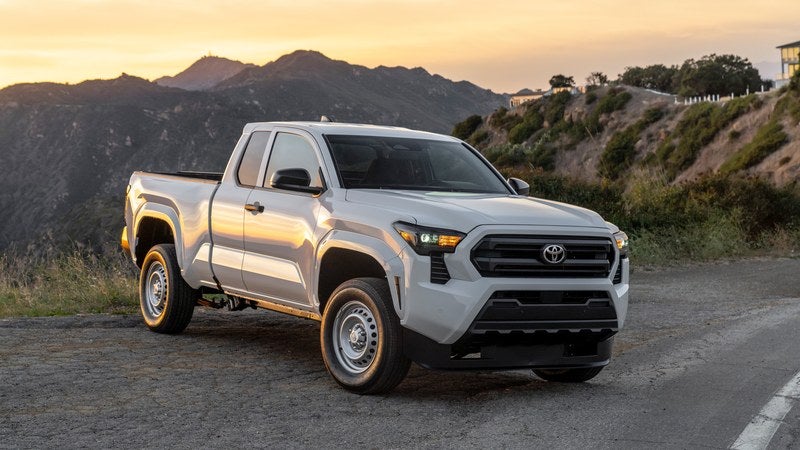
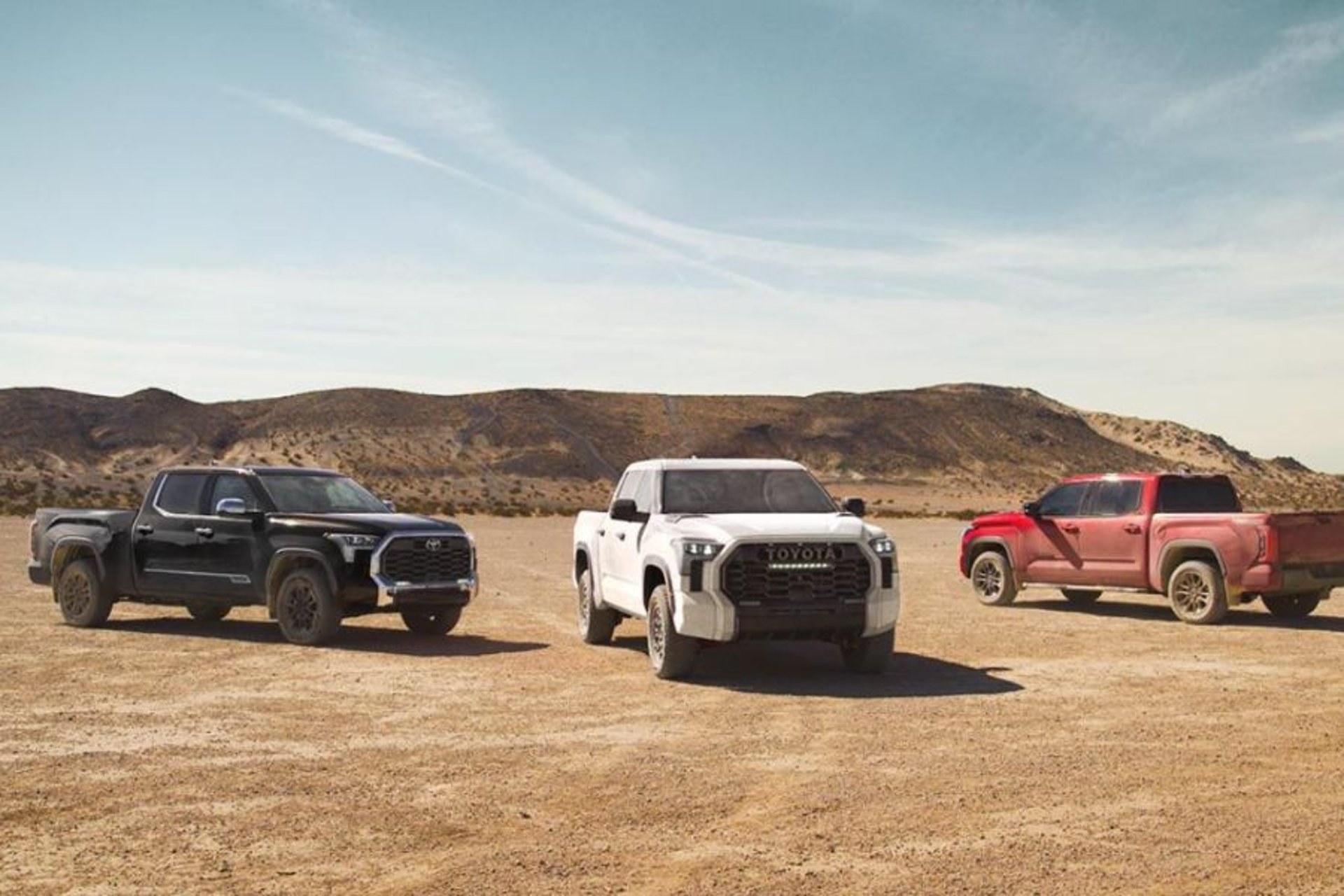
Picking the right truck matters. The roads around Prescott demand a vehicle that can handle altitude, haul a load, and still feel good on a weekend run toward Sedona or Jerome. The 2026 Toyota truck lineup includes two models: the midsize Tacoma and full-size Tundra. Both run turbocharged i-FORCE engines with available hybrid power, off-road trims, and Toyota Safety Sense 2.5 standard. At Findlay Toyota Prescott, we stock both the Toyota Tacoma and the full-size New Toyota Tundra right here on Willow Creek Road. Our team works with truck buyers across Yavapai County every day, and we know these two platforms inside and out. This guide covers every major update, powertrain option, and trim difference so you can walk in knowing exactly what you want. Tacoma vs. Tundra: At-a-Glance Comparison Two great trucks, two very different jobs. Use this table to see where each model stands before you start narrowing down trims. Spec 2026 Toyota Tacoma 2026 Toyota Tundra Size Class Midsize Full-Size Engine Options i-FORCE Turbo 4-cyl / i-FORCE MAX Hybrid i-FORCE Twin-Turbo V6 / i-FORCE MAX Hybrid Horsepower (Max) 326 hp (i-FORCE MAX) 437 hp (i-FORCE MAX) Torque (Max) 465 lb-ft (i-FORCE MAX) 583 lb-ft (i-FORCE MAX) Towing Capacity Up to 6,500 lbs when properly equipped Up to 12,000 lbs when properly equipped Payload Capacity Up to 1,705 lbs Up to 1,940 lbs Fuel Economy (Gas) EPA-est. 21 mpg combined (4WD) EPA-est. 18 city / 23 hwy Fuel Economy (Hybrid) EPA-est. 22–23 city / 24 hwy EPA-est. 20 city / 24 hwy Number of Trims 11 10 Cab Styles XtraCab, Double Cab Double Cab, CrewMax Bed Lengths 5 ft or 6 ft 5.5 ft or 6.5 ft Standard Safety Toyota Safety Sense 2.5 Toyota Safety Sense 2.5 Off-Road Flagship TRD Pro / Trailhunter TRD Pro Best For Trail agility, everyday versatility Heavy towing, max payload, full-size comfort The numbers tell an honest story: the Tacoma and Tundra are built for different workloads, and the gap between them is real. A Tacoma with the i-FORCE MAX hybrid delivers more torque than most people will ever need for a midsize truck — yet the Tundra’s twin-turbo V6 starts where the Tacoma’s hybrid tops out. For Prescott drivers who split time between job sites and mountain trails, knowing your actual tow and payload requirements before choosing a trim saves both money and regret. Both trucks share the same safety foundation and Toyota’s long-haul reliability reputation, so the decision is really about how much truck your life calls for. 2026 Toyota Tacoma: Midsize Muscle, Trail-Ready DNA The 2026 Tacoma is still America’s top-selling midsize truck. That reputation didn’t come from spec sheets. What makes this generation genuinely different is the TNGA-F platform and coil-spring rear suspension. The old leaf-spring setup is gone, and the ride improvement is immediate. You get a truck that handles like it belongs on pavement and still crawls rocks on the weekend. The Trailhunter trim targets overlanding, while the TRD Pro is built for desert racing performance. Two distinct off-road personalities in one lineup. For 2026, the TRD Sport, TRD Off-Road, and TRD Pre-Runner get blacked-out badging and 32-inch all-terrain tires straight from the factory. The SR XtraCab adds a tow hitch as standard. Small updates, but they matter when you’re pricing out a build. The Tacoma’s composite bed resists dents and corrosion better than steel, a practical advantage for truck owners who actually use their beds. That’s worth noting for anyone hauling gear through Prescott’s dry, abrasive conditions. 2026 Toyota Tundra: Full-Size Capability, Modern Refinement The Tundra doesn’t just do more. It does more for longer. The 32.2-gallon fuel tank now standard across all trims is the quietly important update for 2026. Combined with the highway efficiency of the i-FORCE MAX hybrid, that’s serious range on a single fill. Drivers running routes between Prescott and the Verde Valley will feel it. The TRD Pro’s new ISO Dynamic Performance Seats absorb trail impacts through the seat itself, not just the suspension. It’s a different approach, and it works. The rest of the Tundra’s engineering story is built around an aluminum-reinforced composite bed, independent front suspension, and multi-link rear coil setup — a full-size truck that rides and handles far better than its predecessors. The Capstone trim brings genuine luxury to the top of the lineup. The SR keeps things honest at the working end. Ten trims between them means there’s a Tundra for almost every use case in Northern Arizona. Tacoma vs. Tundra: Which Toyota Truck Fits Your Life? Both trucks carry the same DNA. The choice comes down to how you use your truck. Choose the Tacoma if you want agility on tight trails, a more maneuverable footprint in town, and a midsize platform that still handles real work. Choose the Tundra if you regularly move heavy loads, want maximum cabin space, or simply prefer the presence and power of a full-size truck. Living in Prescott, you’ll test both trucks regularly. The switchbacks heading toward Sedona favor the Tacoma’s nimble handling. A loaded horse trailer on the way to Chino Valley calls for the Tundra’s towing margin. Both trucks are engineered to handle Arizona elevation without skipping a beat. Learn More About Toyota Trucks Today! The 2026 Toyota trucks are in stock and ready to drive at Findlay Toyota Prescott. Explore Toyota Trucks in our current inventory, browse all new Toyota vehicles on our lot, or contact our team to schedule a test drive. We serve drivers from Prescott, Prescott Valley, Chino Valley, Dewey, Sedona, Clarkdale, and Cottonwood. We’re right here when you’re ready.
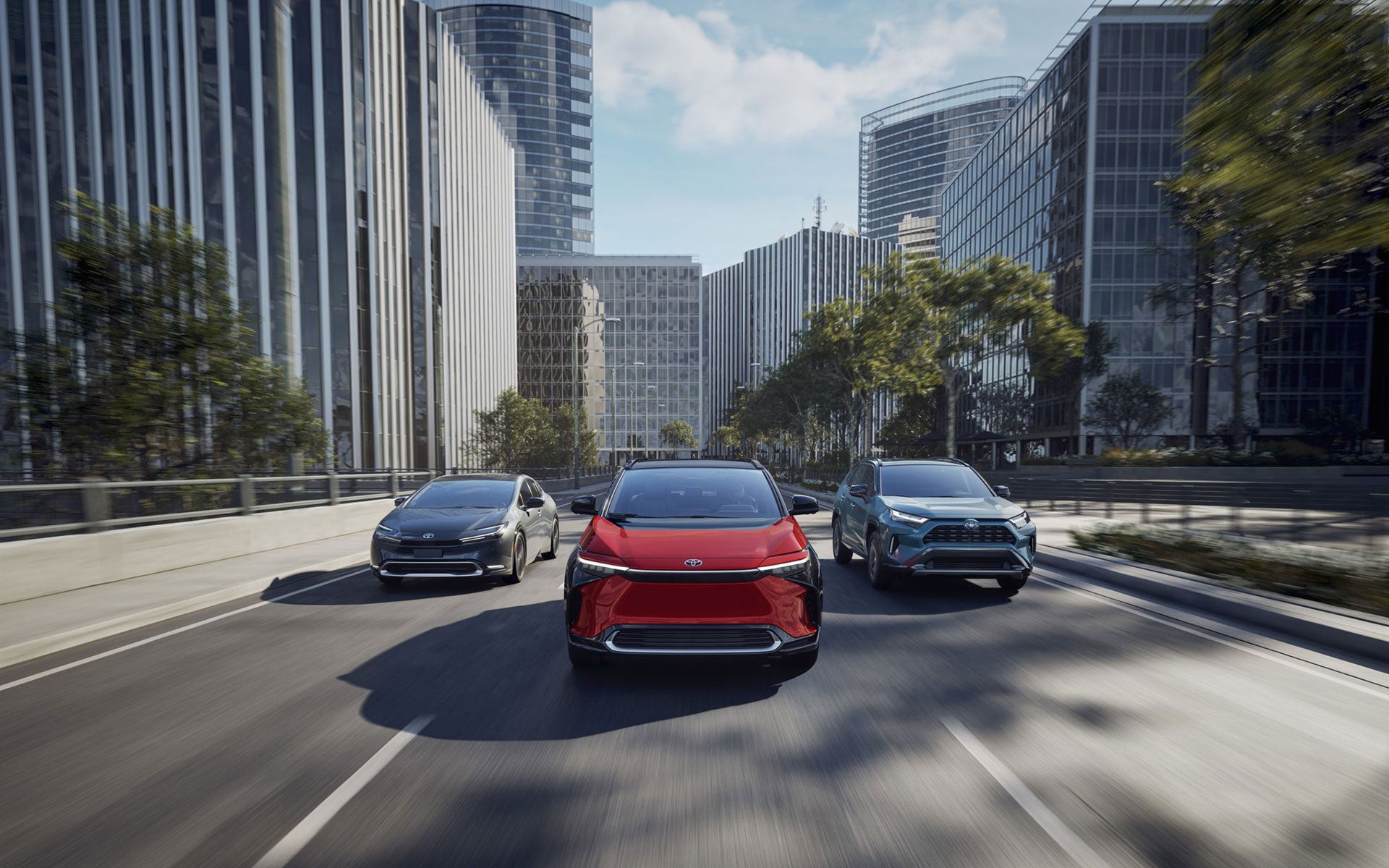
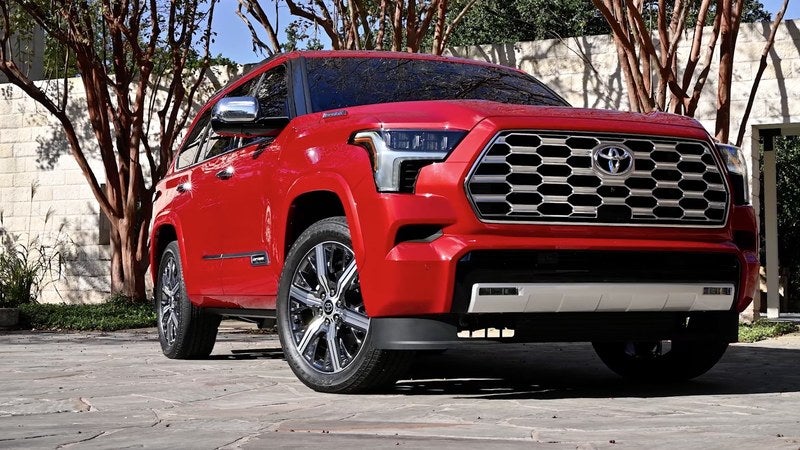
2024 Toyota Sequoia full-size SUV

What Toyota Car is Most Likely to Last 10 Years? [2026]

The Toyota Camry Hybrid stands out as the most reliable Toyota car likely to last 10 years or more in 2026, offering a strong balance of durability, efficiency, and low long-term ownership costs. The Toyota Corolla follows as the most budget-friendly long-lasting option, while the Toyota Prius leads in hybrid longevity. Across the lineup, Toyota cars consistently reach 200,000 miles or more when properly maintained, making them some of the most dependable choices for long-term ownership. Findlay Toyota Prescott is here to help drivers explore these long-lasting Toyota options with confidence and ease. Whether the goal is a fuel-efficient sedan or a practical daily driver, the team is ready to support every step of the process from sales to service and genuine parts support. Drivers from Cottonwood, Sedona, Pine, and Payson are encouraged to reach out or visit today to find the right Toyota for their long-term needs. Explore Our Inventory Get Directions Get in Touch What Toyota Car Is Most Likely to Last 10 Years in 2026? When looking at Toyota cars likely to last 10 years in 2026, the strongest choice is the Toyota Camry Hybrid, known for long-term reliability, efficient hybrid performance, and low ownership costs. The Toyota Corolla and Toyota Prius also offer strong durability, while the Toyota RAV4 Hybrid and Highlander Hybrid provide dependable SUV options for added space. Top Toyota Choices for Long-Term Ownership These models are designed to last well beyond 10 years with proper maintenance and are built on proven, low-complexity engineering. Key long-term Toyota options include: Toyota Camry Hybrid: Balanced everyday comfort with proven hybrid durability. Toyota Corolla: Straightforward design with strong, low-cost dependability. Toyota Prius: Long-standing hybrid efficiency with excellent longevity potential. Toyota RAV4 Hybrid: Practical SUV strength for daily use and versatility. Toyota Highlander Hybrid: Family-focused space with long-term reliability. Why These Models Stand Out These Toyota models consistently deliver long-term reliability with manageable ownership costs. Each one balances efficiency, durability, and everyday usability, making them strong choices for drivers planning to keep a vehicle for many years. For drivers considering Toyota cars likely to last 10 years in 2026, these options represent some of the most dependable paths to long-term ownership. Drivers in Cottonwood, Sedona, Pine, and Payson can connect with Findlay Toyota Prescott to learn more about which of these models best fits their needs. Why Do Toyota Cars Consistently Last Longer Than 10 Years? Toyota vehicles are built with long-term reliability in mind, focusing on proven engineering and simple designs that reduce wear over time. This approach helps many of the most durable Toyota models stay dependable well past 10 years when properly maintained. Built on Proven, Low-Complexity Engineering Toyota prioritizes systems that have been tested over many years rather than frequent redesigns. This reduces strain on key components and supports consistent long-term performance. Key factors include: Engines designed for durability over high stress output Smooth, long-tested transmission systems Hybrid systems that reduce engine workload in daily driving Fewer Complications, Fewer Long-Term Issues A simpler vehicle design means fewer parts that can fail as mileage increases. This is a major reason Toyota vehicles are known for lasting longer than many competitors. This results in: Lower repair needs over time Stable performance at higher mileage Easier long-term maintenance Strong Service, Support, and Parts Availability Wide availability of parts and experienced service networks helps owners maintain vehicles properly as they age. This directly supports long-term reliability. Drivers exploring long-lasting options can view the current inventory at Findlay Toyota Prescott for models built with durability in mind. Why Is the Toyota Camry Hybrid the Best Overall 10-Year Toyota Car? The Toyota Camry Hybrid is often seen as a top choice for Toyota longevity for 10 years because it combines strong long-term reliability with a hybrid system designed to reduce mechanical strain. It delivers consistent performance for daily driving while supporting long-term durability. Hybrid System That Reduces Wear The hybrid setup shares driving demand between the engine and electric motor, which helps reduce constant engine load over time. Key strengths include: Reduced engine strain through hybrid power balance Smooth performance for city and highway driving eCVT system designed for fewer mechanical stress points Long-Term Reliability in Daily Use This model is built for steady performance over many years with routine maintenance. Its design focuses on durability and predictable ownership. Key points include: Consistent performance over high mileage use Lower complexity compared to more performance-focused systems Strong long-term durability reputation Balanced Comfort and Efficiency It offers a mix of comfort, efficiency, and dependability that supports long-term ownership needs. Comfortable ride for everyday driving Efficient fuel use for long-term savings Dependable performance over time For drivers exploring Toyota with 10-year longevity, this model remains a strong all-around option. You can visit Findlay Toyota Prescott in person or contact the team directly to get started with ease. Is the Toyota Corolla the Best Budget-Friendly Long-Term Option? The Corolla is a strong option for drivers looking for a Toyota with the best longevity value without high ownership costs. It focuses on reliability, efficiency, and simple upkeep, making it a practical long-term choice. Simple Powertrain Built for Daily Use The Corolla uses a 2.0L 4-cylinder engine paired with a CVT. This setup is designed for smooth, consistent driving rather than high performance. Key points include: 2.0L 4-cylinder engine with steady, predictable output CVT transmission that supports smooth acceleration Tuned for everyday commuting with low mechanical stress Efficiency That Supports Long-Term Ownership The Corolla is built to keep fuel use and running costs low over time. Strong fuel economy for city and highway driving Efficient operation that reduces long-term fuel costs Balanced performance for daily commuting needs Low Maintenance Demands Over Time Its design helps keep upkeep simple and manageable across years of ownership. Routine service is straightforward and consistent. Common parts help keep repair costs accessible. Fewer complex systems that add long-term maintenance concerns Drivers comparing reliable Toyota options for long-term use can also explore current models at Findlay Toyota Prescott, where different needs and budgets are supported. How Does the Toyota Prius Deliver Exceptional Hybrid Longevity? The Prius is one of the clearest examples of Toyota cars likely to last 10 years in 2026 because its hybrid system is designed to prioritize efficiency and steady, low-stress operation. Its power delivery focuses on sharing the workload between electric and gasoline systems in a way that supports long-term durability. Efficiency-Focused Hybrid Power Management Unlike traditional setups, the Prius is built around energy balancing rather than constant engine output. This helps reduce overall strain during everyday driving. Key characteristics include: An electric motor supports at low speeds and during light driving Engine engagement only when higher power is needed Smooth power blending that avoids frequent mechanical stress Regenerative Braking That Reduces Wear The braking system is designed to recover energy while reducing reliance on friction components. Captures energy during braking to recharge the hybrid system Reduces wear on traditional brake pads and rotors Supports longer brake component life over time Consistent Efficiency for Long-Term Use The Prius is tuned for stability in daily commuting, which helps support long ownership cycles. High fuel efficiency reduces overall engine workload. Predictable hybrid operation across city and highway driving Designed for steady, long-distance reliability Drivers comparing Toyota cars likely to last 10 years in 2026 often choose the Prius for its efficiency-driven design. Those exploring hybrid options can also review current Toyota models at Findlay Toyota Prescott to find a match for long-term driving needs. Which Toyota SUVs Support Long-Term 10-Year Ownership? Several Toyota SUVs are strong long-term options, especially for drivers who need space, comfort, and durability over time. Among the most durable Toyota models in this category, the focus is on dependable hybrid SUV choices built for everyday use. Reliable SUV Options for Long-Term Use These SUVs are designed to handle daily driving demands while maintaining long-term reliability. Key options include: Toyota RAV4 Hybrid: For efficient daily commuting and versatility. Toyota Highlander Hybrid: For families needing space and long-term comfort. Why These SUVs Hold Up Over Time These models are built with proven systems that support consistent performance and long-term durability. Established hybrid and gas powertrain options Balanced performance for city and highway driving Strong reputation for long-term reliability Practical Fit for Long-Term Drivers These SUVs are often chosen by drivers who want durability without giving up space or everyday usability. Drivers comparing long-term SUV options can browse current RAV4 Hybrid and Highlander Hybrid availability at Findlay Toyota Prescott to see what fits their needs. What Maintenance Habits Help Toyota Cars Last 10+ Years? Consistent maintenance plays a major role in supporting Toyota’s longevity for 10 years, helping vehicles stay reliable over extended ownership periods. Even durable models depend on proper care to maintain long-term performance. Core Maintenance Practices Routine service helps reduce wear and prevent larger issues over time. Key habits include: Regular oil changes at recommended intervals Brake and tire inspections on a consistent schedule Following manufacturer service guidelines Consistency in Long-Term Care Staying consistent with maintenance helps improve reliability and extend vehicle life. Addressing small issues early Keeping up with scheduled service visits Maintaining steady upkeep routines Using correct parts and professional maintenance helps preserve long-term performance. Drivers can stay confident in long-term ownership by working with trusted service support at Findlay Toyota Prescott. What Driving Habits Help a Toyota Last Beyond 10 Years? Driving habits have a direct impact on long-term vehicle condition. Even the Toyota models with the best longevity depend on how they are driven day to day. Smooth, consistent driving helps reduce strain on key systems and supports long-term reliability. Smooth Driving Reduces Mechanical Stress Gentle driving habits help protect major components from unnecessary wear over time. This is especially important for long-term ownership. Key habits include: Gradual acceleration instead of sudden starts Smooth braking instead of hard stops Maintaining steady driving speeds when possible Avoiding Harsh Conditions When Possible Driving in extreme or aggressive conditions can increase wear on the vehicle over time. Limiting these situations helps maintain performance. Avoid frequent rapid acceleration Reduce unnecessary hard braking Drive carefully in rough or uneven road conditions. Consistency Supports Long-Term Durability A steady driving pattern helps systems operate more predictably, which supports long-term reliability. Balanced driving reduces strain on key components. Consistent habits help maintain overall vehicle health. Gentle operation supports extended service life For drivers focused on long-term use, driving behavior is just as important as maintenance in keeping a vehicle reliable beyond 10 years. Drivers can explore current Toyota models at Findlay Toyota Prescott to find vehicles built for long-term dependability. How Do Maintenance Costs Affect Long-Term Toyota Ownership? Maintenance costs play a key role in whether drivers can keep a vehicle long enough to reach 10-year longevity and ownership goals. Lower and more predictable costs make long-term ownership more realistic. Routine Costs Shape Long-Term Decisions Ongoing service expenses influence how long a vehicle is kept and how well it is maintained. Key cost factors include: Regular oil changes and inspections Brake, tire, and fluid maintenance Long-term part replacement needs Predictable Costs Support Longer Ownership When maintenance costs stay consistent, it becomes easier for drivers to commit to long-term ownership. Easier budgeting for routine service Fewer unexpected repair expenses More confidence in keeping the vehicle long-term Understanding maintenance costs helps drivers choose vehicles that better align with long-term ownership goals. Drivers can check available Toyota models at Findlay Toyota Prescott to compare options built for long-term reliability and manageable upkeep. Which Toyota models are statistically most likely to reach 10 years with good maintenance? The Toyota Camry, Corolla, Prius, RAV4, and Highlander are among the Toyota models most likely to reach 10 years with good maintenance, based on long-term reliability patterns and durability-focused engineering. What maintenance practices are most important to ensure a Toyota lasts a decade? Regular oil changes, routine brake and tire inspections, and following the manufacturer’s service schedule are the most important maintenance practices to ensure a Toyota lasts 10 years or longer. Are there specific Toyota engines or model years that owners should prefer for long life? Toyota’s naturally aspirated four-cylinder engines and Toyota hybrid systems are generally preferred for long life due to their simplicity and proven reliability across multiple model years. How do ownership costs and reliability data affect which Toyota is best for 10-year ownership? Lower ownership costs and strong reliability ratings increase the likelihood of keeping a Toyota for 10 years, with models like the Corolla and Camry typically offering some of the lowest long-term maintenance and repair costs. Should buyers prefer a higher-trim newer model or a low-mileage older model to maximize 10-year durability? A newer model is generally the safer choice for maximizing 10-year durability because it comes with updated engineering, fewer unknown wear issues, and the full remaining lifespan of major components. Find a Toyota Built to Go the Distance at Findlay Toyota Prescott Long-term vehicle ownership starts with choosing a model built for durability and everyday dependability. Toyota continues to lead in long-lasting performance, with vehicles designed to handle years of driving when properly maintained. From efficient commuters to family-ready SUVs, the lineup offers strong options for drivers focused on long-term reliability. Drivers from Cottonwood, Sedona, Pine, and Payson can explore a wide range of Toyota vehicles at Findlay Toyota Prescott. The selection includes dependable sedans and SUVs built for long-term ownership and everyday use. For those comparing different features, helpful resources are available that break down key details, such as trims, fuel efficiency, and passenger space, to support more confident decisions, including the Toyota RAV4 trims, the Toyota fuel economy guide, and the Toyota seating guide. To continue exploring dependable Toyota options or to get personalized assistance, you can visit Findlay Toyota Prescott in person or reach out to the team directly to get started with ease. Get Directions to Findlay Toyota Prescott Disclaimer: All information is provided for general informational and entertainment purposes only. While we strive for accuracy, we cannot guarantee that all content is complete, current, or error-free. Any reliance you place on such information is strictly at your own risk. This article may include opinions and is not endorsed by, or officially affiliated with, any vehicle manufacturer or brand. Always consult official sources – such as the vehicle’s owner’s manual, authorized dealerships, or certified professionals – for the most up-to-date and personalized information.

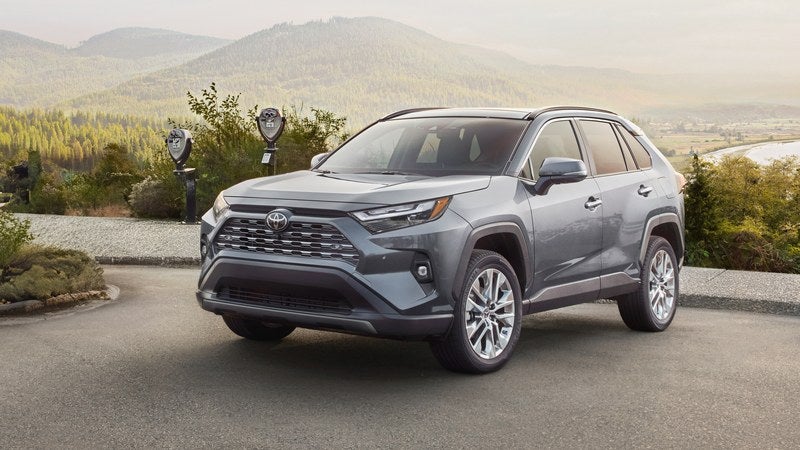
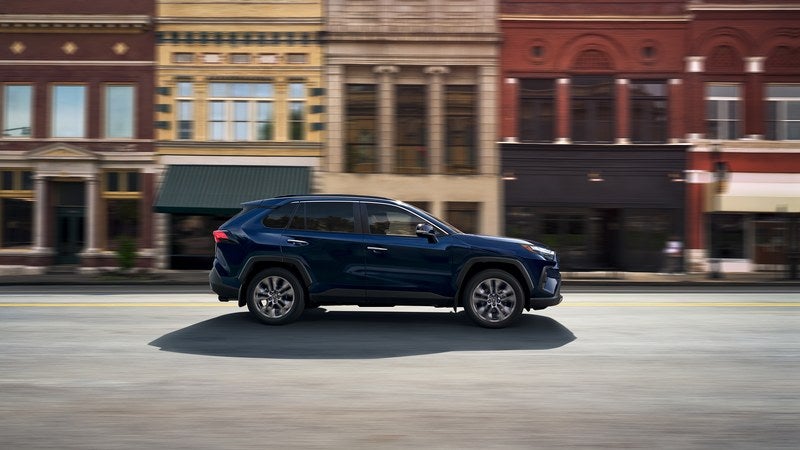
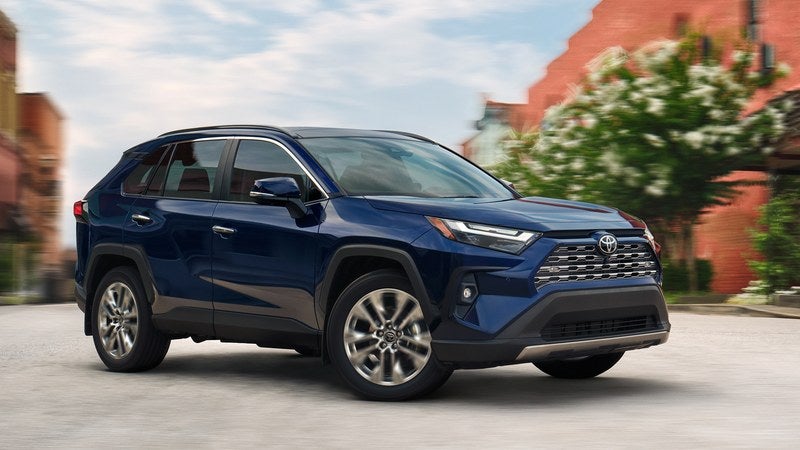
2025 Toyota RAV4 compact SUV

Toyota RAV4 Trim Levels Explained [2026 Guide]

The 2026 Toyota RAV4 comes in various trims, each designed to fit different driving needs and lifestyles. From the practical LE and XLE to the sporty SE, adventure-ready Woodland, tech-focused XSE, and premium Limited, there is a RAV4 for nearly every type of driver. Key differences include engine options, drivetrain choices, safety features, and interior technology, helping you choose the trim that best matches your priorities and preferences. At Findlay Toyota Prescott, we are committed to helping drivers in Prescott, Cottonwood, Sedona, Pine, and Payson find the right vehicle for their lifestyle. Our team is here to assist with everything from new vehicle sales to service, parts, and maintenance. Visit our dealership or contact us today to explore the RAV4 trims, schedule a test drive, or get answers to all your automotive questions. Explore the Toyota RAV4 Get Directions Get in Touch What Are the Key Differences Between the 2026 RAV4 Trims? Choosing the right RAV4 starts with understanding how each trim meets different needs and lifestyles. The 2026 lineup offers six trims, each with unique features, performance options, and comfort levels to suit daily commuting, family travel, or weekend adventures. Key Differences Across Trims RAV4 LE: The practical starting point, balancing efficiency, comfort, and essential features. Ideal for drivers seeking reliability and value, it comes with a 2.5-liter 4-cylinder engine, front-wheel drive standard (all-wheel drive optional), and core safety systems. RAV4 XLE Premium: Adds convenience and style over the LE with power-adjustable seating, upgraded interior materials, and optional features like a sunroof and all-wheel drive. Perfect for families and commuters looking for added comfort without stepping up to premium trims. RAV4 SE: Designed for sportier handling, including a dynamic 2.5-liter engine, sport-tuned suspension, and larger wheels. Drivers who enjoy a more responsive ride will appreciate the performance enhancements and athletic styling. RAV4 XSE: Combines the SE’s sporty design with premium touches such as hybrid availability, aggressive styling elements, and enhanced comfort options. Ideal for those seeking style and efficiency in one package. RAV4 Woodland Edition: Built for outdoor enthusiasts, featuring standard all-wheel drive, all-terrain tires, roof rails, and off-road-ready enhancements. Perfect for adventures beyond city streets. RAV4 Limited: Focuses on luxury and advanced comfort. Leather seating, premium audio, and enhanced safety systems make it ideal for long trips or daily driving with extra refinement. Choosing the Right Trim When selecting a RAV4, consider your priorities: Driving Needs: Daily commuting, family trips, or off-road adventures. Comfort and Style: Interior materials, seating features, and exterior design. Performance Preferences: Engine options, handling, and drivetrain. Stop by Findlay Toyota Prescott to explore the full 2026 RAV4 lineup. Our team can guide you through trims in person, answer your questions, and help you find the model that best fits your lifestyle. RAV4 LE: How Does This Trim Serve Everyday Drivers? The 2026 RAV4 LE is designed for drivers who want a practical and reliable SUV for daily life. Its combination of efficiency, comfort, and essential technology makes it a strong choice for commuting, errands, and weekend trips. With a straightforward layout and easy-to-use features, this trim delivers everything a typical driver needs without unnecessary complexity. Core Features of the RAV4 LE Engine: A 2.5-liter 4-cylinder provides balanced power and fuel efficiency. Drivetrain: Front-wheel drive standard, all-wheel drive optional for added traction. Seating: Comfortable cloth upholstery with an adjustable driver seat. Technology: 7-inch touchscreen, Apple CarPlay, Android Auto, and standard Toyota Safety Sense 3.0. Wheels: 17-inch alloy wheels for a smooth ride. Why Drivers Choose the LE Affordable starting trim with strong value. Efficient enough for daily commuting, yet capable of light outdoor trips. Reliable safety features provide peace of mind for families. The RAV4 LE makes everyday driving simple and dependable. To experience how its practical features fit your routine, visit Findlay Toyota Prescott to explore the RAV4 LE and take it for a test drive with guidance from our knowledgeable team. RAV4 XLE Premium: What Makes This Trim a Step Up From the Base? The 2026 RAV4 XLE builds on the LE’s foundation, adding comfort, convenience, and style. It caters to drivers who want more from their SUV without jumping to the top-tier trims. RAV4 trims and features show that XLE introduces upgraded technology, interior amenities, and exterior enhancements that elevate the daily driving experience. Key Upgrades Over the LE Engine and Drivetrain: Same 2.5-liter 4-cylinder with optional all-wheel drive. Interior Comfort: Power-adjustable driver seat, upgraded upholstery, dual-zone climate control. Technology: Larger 8-inch touchscreen, integrated navigation, additional USB ports. Exterior Enhancements: 18-inch wheels, an available power tilt/slide moonroof, and roof rails for added utility. Safety: Blind spot monitor and rear cross-traffic alert are available. Who Benefits Most from the XLE Commuters who want extra convenience and technology. Families needing more interior comfort and cargo flexibility. Drivers seeking a more polished look without moving to the Limited trim. The RAV4 XLE balances everyday practicality with upgraded features, making it a smart choice for drivers who want more comfort and style. Visit Findlay Toyota Prescott to see the XLE in person, compare it to the LE, and experience its enhanced features firsthand. RAV4 SE: Why Choose This Trim for Sporty Performance? The 2026 RAV4 SE is designed for drivers who want a more dynamic driving experience without sacrificing utility or comfort. This trim emphasizes sportier handling, sharper styling, and enhanced performance features that make daily driving and weekend adventures more engaging. With the 2026 Toyota RAV4 trim levels explained, it’s clear that the SE balances practicality with an athletic edge, offering spirited performance for daily drives and weekend adventures. Performance Highlights Engine and Transmission: 2.5-liter 4-cylinder with an 8-speed automatic transmission tuned for responsive acceleration. Suspension: Sport-tuned suspension delivers more precise handling. Drivetrain: Standard front-wheel drive with available all-wheel drive for confident cornering and traction. Wheels and Tires: 18-inch alloy wheels with performance tires for improved grip and ride quality. Sporty Design and Interior Features Exterior: Bold front grille, black accents, and sleek roof rails for a distinctive look. Interior: Softer-touch materials, sport-inspired seats, and an optional leather-trimmed steering wheel. Technology: 8-inch touchscreen with navigation, advanced audio system, and enhanced connectivity features. Who Will Enjoy the SE Most Drivers seeking a fun and responsive SUV for daily commutes or weekend getaways. Enthusiasts who want sport-inspired styling without upgrading to Limited. Those who want a balance of performance, comfort, and advanced technology. The RAV4 SE combines practicality with sporty performance. Visit Findlay Toyota Prescott to test drive the SE and feel the difference in handling and comfort for yourself. RAV4 Limited: What Premium Features Does This Trim Offer? The 2026 RAV4 Limited delivers a refined, premium experience for drivers who want top-tier comfort, technology, and convenience. This trim highlights the full range of RAV4 trims and features, showcasing advanced amenities for passengers and drivers alike. It is ideal for those who prioritize luxury, style, and the latest safety innovations. Premium Comfort and Convenience Interior: Leather-trimmed seats, heated front seats, and available ventilated seating. Driver Assistance: Adaptive cruise control, blind-spot monitoring, and parking sensors. Climate Control: Dual-zone automatic climate control for personalized comfort. Technology and Connectivity Infotainment: 9-inch touchscreen with navigation, premium audio system, Apple CarPlay, and Android Auto. Connectivity: Multiple USB ports, wireless charging pad, and integrated voice recognition. Safety: Full suite of Toyota Safety Sense 3.0 features, including lane tracing assist and road sign assist. Exterior Refinements 19-inch alloy wheels, LED headlights and fog lights, and chrome-accented exterior details. Panoramic power tilt/slide moonroof for added light and openness. Roof rails and towing capability for versatility in adventures. Who Benefits Most from the Limited Drivers seeking maximum comfort and convenience for daily driving and long trips. Families who want advanced safety technology and a refined interior. Anyone who wants a fully equipped RAV4 without compromising style or features. The RAV4 Limited offers a top-level experience that combines style, technology, and comfort. Visit Findlay Toyota Prescott to explore the Limited trim, compare it with other RAV4 options, and experience its premium features firsthand. RAV4 Woodland: How Does This Trim Stand Out for Outdoor Adventures? The 2026 RAV4 Woodland is engineered for drivers who love outdoor exploration and off-road capability. While sharing the core features of the RAV4 LE, XLE, and Limited, the Woodland trim adds rugged enhancements and all-terrain readiness that make it ideal for camping, hiking trips, or weekend escapes into the forest and mountains. Off-Road Capabilities Engine and Drivetrain: 2.5-liter 4-cylinder engine with Dynamic Torque Vectoring all-wheel drive for improved traction on trails and uneven terrain. Suspension: Off-road-tuned suspension to handle rough roads while maintaining comfort. Skid Plates: Protect critical underbody components during outdoor excursions. Terrain Management: Selectable drive modes for snow, mud, and sand. Outdoor-Focused Features Exterior: Roof rails, tow hooks, and rugged styling accents for an adventure-ready appearance. Cargo and Storage: Expanded cargo space with flexible seating configurations for gear and equipment. Lighting: LED fog lights and off-road-ready lighting for early morning or late-night adventures. Who Will Appreciate the Woodland Trim Outdoor enthusiasts who need reliable performance for off-road trails. Families or adventurers who carry sports gear, bikes, or camping equipment. Drivers who want a capable SUV that can tackle both city streets and rugged terrain. Experience the RAV4 Woodland firsthand at Findlay Toyota Prescott, where you can explore its off-road performance and adventure-ready features on your next test drive. RAV4 XSE: What Does This Trim Offer in Style and Technology? The RAV4 XSE 2026 blends sporty style with advanced technology, making it an appealing choice for drivers who value aesthetics and connectivity. With the 2026 Toyota RAV4 trim levels explained, it’s easy to understand why this trim provides a more dynamic on-road experience. Sporty Design Enhancements Exterior: Two-tone roof option, black exterior accents, and 19-inch alloy wheels for a bold look. Interior: Sport-inspired seats with contrast stitching, refined materials, and optional leather trim. Lighting: LED headlights and signature daytime running lights for a modern appearance. Advanced Technology Features Infotainment: 9-inch touchscreen with Apple CarPlay, Android Auto, navigation, and premium audio system. Driver Assistance: Toyota Safety Sense 3.0, including lane tracing assist, adaptive cruise control, and road sign assist. Connectivity: Wireless charging, multiple USB ports, and integrated voice recognition. Who Will Benefit Most from the XSE Drivers who want a stylish, tech-forward SUV that stands out in town or on the highway. Those seeking a sportier look without compromising comfort and convenience. Buyers who want the latest safety and connectivity technology for everyday driving. Visit Findlay Toyota Prescott to see the RAV4 XSE in person, explore its combination of style and technology, and take it for a test drive to experience its unique appeal. What Packages and Optional Features Can Enhance Your RAV4? The 2026 RAV4 trims offer several packages and optional features that allow drivers to customize their SUV to better suit their lifestyle. These enhancements provide convenience, comfort, safety, and style beyond the standard features of each trim. Popular Packages Across RAV4 Trims XLE Premium Package: Adds a power tilt/slide moonroof, upgraded interior accents, and enhanced seating comfort. Adventure/Off-Road Packages (Woodland Focus): Includes all-terrain tires, roof rails, skid plates, and upgraded suspension for outdoor adventures. Technology and Safety Packages: Available navigation system, premium audio upgrades, blind-spot monitoring, and rear cross-traffic alert. Optional Features to Consider Heated and ventilated front seats for extra comfort in varying climates. Two-tone exterior paint options on XSE and Limited trims for a distinct, stylish look. Roof racks or cargo accessories to accommodate bikes, kayaks, or luggage for weekend trips. Towing packages on higher trims for trailers, campers, or additional gear. These packages and options allow each RAV4 to be tailored for efficiency, luxury, sportiness, or outdoor performance. Visit Findlay Toyota Prescott to explore available RAV4 trims, see optional packages in action, and discover which combination works best for your driving needs. How Do Pricing and Ownership Costs Compare Across 2026 RAV4 Trims? Understanding pricing and ownership costs helps drivers choose a RAV4 trim that fits both budget and lifestyle. Each 2026 RAV4 trim offers unique features and fuel efficiency, which can influence long-term costs such as fuel, insurance, and maintenance. 2026 RAV4 Starting MSRP and Estimated MPG by Trim LE Starting MSRP: $31,900 Estimated MPG: 47 city / 40 highway Includes 7-inch touchscreen, Apple CarPlay, Android Auto, and Toyota Safety Sense 3.0 SE Starting MSRP: $34,700 Estimated MPG: 47 city / 40 highway Features 18-inch multi-spoke black sport alloy wheels, sporty exterior accents, and blue interior stitching XLE Premium Starting MSRP: $36,100 Estimated MPG: 47 city / 40 highway Adds a height-adjustable power liftgate and SofTex®-trimmed heated seats Woodland Starting MSRP: $39,900 Estimated MPG: 41 city / 35 highway Includes 18-inch all-terrain wheels, rugged roof rails, and integrated Rigid Industries® LED fog lights for outdoor adventures XSE Starting MSRP: $41,300 Estimated MPG: 43 city / 37 highway Features 20-inch sport wheels and SofTex®/synthetic suede-trimmed heated and ventilated seats. Limited Starting MSRP: $43,300 Estimated MPG: 43 city / 37 highway Offers a panoramic glass roof with power tilt/slide moonroof and dual Qi-compatible wireless charging Ownership Considerations Fuel Economy: Hybrid options are available on select trims to improve efficiency and lower fuel costs. Insurance: Sporty and premium trims such as SE, XSE, and Limited may have higher insurance premiums. Maintenance: All RAV4 trims are built for reliability, though additional features or off-road packages may require extra care. Knowing MSRP, fuel efficiency, and optional features helps drivers align a trim with their budget and lifestyle. Visit Findlay Toyota Prescott to compare the 2026 RAV4 trims, explore pricing in person, and get guidance from the team for your next SUV purchase. What are the 2026 RAV4 trim levels, and what key features differentiate each? The 2026 RAV4 comes in six trims: LE, SE, XLE Premium, Woodland, XSE, and Limited. Key differences include the following: LE: Practical base trim with a 2.5L 4-cylinder engine, FWD standard, 7-inch touchscreen, and cloth seats. SE: Sportier styling, 18-inch sport wheels, sport-tuned suspension, blue interior accents. XLE Premium: Adds SofTex®-trimmed heated seats, a height-adjustable power liftgate, and optional front/rear parking assist. Woodland: Outdoor-focused, AWD standard, 18-inch all-terrain wheels, rugged roof rails, integrated LED fog lights. XSE: Sporty and premium, 20-inch sport wheels, and SofTex®/synthetic-suede heated and ventilated seats. Limited: Top-tier trim, panoramic glass roof, 9-speaker JBL® audio, dual Qi-compatible wireless charging. Which RAV4 trim is the best value for families versus solo commuters? Families: XLE Premium offers comfort features, extra interior space, and optional parking assistance at a moderate price. Solo commuters: LE provides strong fuel efficiency, essential safety features, and affordability. Which trims include advanced safety features, AWD, and off-road upgrades as standard? Advanced safety: All trims include Toyota Safety Sense; XLE Premium, Woodland, XSE, and Limited add additional driver-assist options. AWD standard: Woodland comes with AWD standard; other trims offer it as an option. Off-road upgrades: Woodland features all-terrain tires, skid plates, rugged roof rails, and off-road-tuned suspension. How do infotainment, interior materials, and cargo features scale across trims? Infotainment: Base LE has a 7-inch touchscreen; higher trims like XSE and Limited offer larger 10.5- to 12.9-inch displays. Interior materials: Cloth seats on LE, SofTex®-trimmed heated seats on XLE Premium, and heated/ventilated SofTex®/synthetic suede on XSE and Limited. Cargo features: All trims have flexible cargo space, but Woodland adds enhanced roof rails and off-road-ready storage for outdoor gear. Which RAV4 trim is recommended for buyers who plan to tow or carry heavy loads? The Limited trim is recommended, as it includes roof rails, available towing capability, and premium interior features that handle larger cargo comfortably. Explore Your Next RAV4 at Findlay Toyota Prescott Discovering the right RAV4 trim is just the beginning. At Findlay Toyota Prescott, drivers from Cottonwood, Sedona, Pine, and Payson can explore a wide selection of vehicles, including the full 2026 RAV4 lineup. Our team is ready to help you find a trim that fits your driving needs, lifestyle, and budget. Whether you are focused on fuel efficiency, seating flexibility, or long-term reliability, our vehicles are designed to deliver performance you can count on. For helpful guidance, check out our Toyota MPG to compare efficiency across models, explore Toyota seating to find the best fit for your passengers, and learn more about RAV4 mileage expectancy to plan for years of dependable driving. Stop by Findlay Toyota Prescott to see these vehicles in person, take a test drive, and experience the comfort and capability of the 2026 RAV4 trims. You can also contact our team directly to ask questions or get personalized guidance. Our staff can walk you through features, options, and packages so you leave confident in your choice. Get Directions to Findlay Toyota Prescott Disclaimer: All information is provided for general informational and entertainment purposes only. While we strive for accuracy, we cannot guarantee that all content is complete, current, or error-free. Any reliance you place on such information is strictly at your own risk. This article may include opinions and is not endorsed by, or officially affiliated with, any vehicle manufacturer or brand. Always consult official sources – such as the vehicle’s owner’s manual, authorized dealerships, or certified professionals – for the most up-to-date and personalized information.

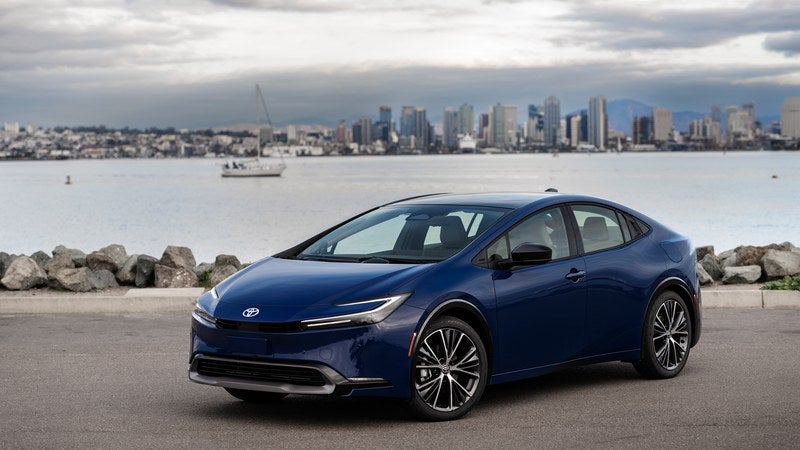
2025 Toyota Prius hybrid hatchback

Toyota MPG & Fuel Efficiency by Vehicle [2026 Guide]

Toyota MPG and fuel efficiency in 2026 vary by model. Hybrids such as the Toyota RAV4, Toyota Highlander Hybrid, Toyota Sienna, and Toyota Camry deliver impressive EPA ratings. At the same time, larger SUVs like the Toyota 4Runner and Toyota Land Cruiser prioritize capability at the expense of lower MPG. Toyota continues to lead with advanced hybrid technology, optimized Eco Mode systems, and a wide range of vehicles designed to balance performance, efficiency, and everyday practicality. Understanding Toyota MPG by model helps drivers choose the right vehicle for commuting, family travel, or off-road adventures. At Findlay Toyota Prescott, we are proud to help drivers find the right vehicle to match their lifestyle and fuel efficiency goals. Our team is here to support you every step of the way, whether you are shopping for a new Toyota, scheduling service, or looking for genuine parts. Contact us today or stop by to experience our full lineup and personalized customer care. Explore Our Inventory Get Directions Contact Us 2026 Model City MPG Highway MPG Combined MPG RAV4 47 40 43 Camry Hybrid 52 49 51 Highlander Hybrid 35 34 35 Sienna Hybrid 36 36 36 4Runner 23 24 23 Land Cruiser 22 25 23 Tacoma 22 24 23 Tundra 18 20 19 Sequoia 21 24 22 Corolla 32 41 35 Grand Highlander Hybrid 36 32 34 What Is Toyota MPG by Model in 2026 and Why Does It Matter? Toyota MPG by model 2026 shows how efficiently each vehicle uses fuel, measured in miles per gallon. This can vary by model, with options like the Toyota RAV4 offering a strong balance between efficiency and everyday versatility. The higher the MPG, the fewer stops you make for fuel and the more you save over time. Why MPG Matters Fuel efficiency plays a key role in both daily driving and long-term ownership. Lower fuel costs: Spend less on gas over time Better for commuting: Ideal for city driving and longer trips Reduced emissions: Helps support cleaner, more efficient driving Stronger value: Fuel-efficient vehicles remain in high demand Choosing the Right Fit Different Toyota models are built for different needs. Some prioritize fuel savings, while others focus on power and capability. Finding the right balance depends on your lifestyle and driving habits. How Does Toyota Measure Fuel Efficiency and EPA Ratings? Toyota’s fuel efficiency guide relies on EPA ratings to show how a vehicle performs in real-world driving. These ratings break down fuel economy into three key numbers: City MPG: Efficiency in stop-and-go traffic Highway MPG: Efficiency on open roads and highways Combined MPG: A weighted average that reflects typical driving A Toyota Highlander Hybrid, for example, may achieve higher city MPG than highway because its hybrid system optimizes fuel use during frequent stops. These numbers give drivers a clear sense of what to expect in everyday conditions. The EPA tests vehicles under standardized conditions to estimate miles per gallon. Actual results can vary depending on: Driving habits and speed Load and passenger weight Terrain and elevation Weather conditions and temperature The Toyota fuel efficiency guide helps compare models and understand which vehicles balance performance and fuel savings. Hybrids like the Highlander Hybrid use advanced technology to maximize MPG, making them a practical choice for both daily commuting and longer trips. Which Toyota Models Have the Best MPG in 2026? Toyota offers a range of 2026 vehicles that balance performance, capability, and fuel efficiency. Comparing models like the RAV4, Highlander Hybrid, Camry, Sienna, 4Runner, and Land Cruiser helps drivers understand which options deliver the most miles per gallon for their needs. Fuel-Efficient Options Toyota RAV4: Offers strong fuel economy for an SUV, making it ideal for daily commuting and weekend trips. Toyota Highlander Hybrid: Combines hybrid technology with SUV versatility, delivering impressive city and highway MPG. Toyota Camry: Known for consistent fuel efficiency, it performs well on both city streets and open highways. Toyota Sienna: A hybrid minivan that provides family-friendly space without sacrificing MPG. Toyota 4Runner: Built for off-road performance, MPG is lower but still manageable for larger SUV drivers. Toyota Land Cruiser: Offers capability and luxury at the cost of fuel efficiency, best for those needing heavy-duty performance. How MPG Shapes Your Choice Fuel economy directly affects daily driving costs and long trips. For example, the Highlander Hybrid and RAV4 maximize savings on city drives, while the Camry excels for highway efficiency. Larger models like the 4Runner and Land Cruiser trade some MPG for power and capability. Focusing on these six models makes it easier to compare performance, space, and efficiency to find the right vehicle for your lifestyle. How Efficient Is the Toyota RAV4 in 2026? The Toyota RAV4 continues to be one of the most practical SUVs for drivers who want a balance of space, capability, and fuel efficiency. Its combination of a lightweight design, efficient engine, and advanced hybrid options helps it achieve strong Toyota EPA ratings, making it a reliable choice for city commuting, highway travel, and weekend adventures. RAV4 Fuel Efficiency Highlights City and Highway Performance: The RAV4 delivers consistent MPG in urban traffic while maintaining efficiency on highways. Hybrid Advantage: RAV4 Hybrid models optimize fuel use, especially in stop-and-go driving situations. Practical for Families: Its efficiency rivals larger vehicles like the Sienna, while still offering SUV versatility and cargo space. Real-World Benefits For daily commuting, even a small difference in MPG can add up quickly. Choosing a RAV4 over a larger SUV means fewer stops at the gas station and more time on the road. Its combination of fuel efficiency and space makes it ideal for small families, active lifestyles, or anyone who wants an SUV without sacrificing economy. The Toyota RAV4 in 2026 proves that you don’t have to compromise between performance and fuel efficiency, offering a well-rounded option for a variety of driving needs. What MPG Can You Expect From the Toyota Camry in 2026? The Toyota Camry has long been known for its efficient performance, and the 2026 models continue that trend. When looking at Toyota MPG by model 2026, the Camry consistently offers impressive fuel economy for a midsize sedan, making it a smart choice for daily commuting, weekend trips, and longer highway drives. Compared to larger SUVs like the 4Runner, the Camry provides significantly higher MPG without sacrificing comfort or features. Camry Fuel Efficiency Highlights City Driving: The Camry delivers strong fuel economy in stop-and-go traffic, helping save on everyday commuting costs. Highway Performance: On longer drives, it maintains consistent efficiency, making road trips more economical. Hybrid Options: Camry Hybrid models boost fuel savings even further, especially for drivers covering longer distances regularly. Why MPG Matters for Daily Life Even small improvements in fuel economy can add up quickly over months or years. For example: Fewer stops at the gas station Lower monthly fuel expenses Reduced environmental impact compared to larger, less efficient vehicles The Camry’s combination of reliability, comfort, and fuel efficiency makes it an ideal choice for drivers who want practical performance without compromising MPG. Its efficiency advantage is especially noticeable when compared to larger vehicles like the 4Runner, which prioritize power and capability over fuel economy. How Does the Toyota Highlander Hybrid Balance Power and MPG? The Toyota Highlander Hybrid offers a unique combination of SUV capability and fuel efficiency. By blending a gasoline engine with advanced hybrid technology, it delivers strong performance without the heavy fuel costs often associated with larger vehicles. When compared to something like the Land Cruiser, the Highlander Hybrid provides a noticeable advantage in miles per gallon while still offering three rows of seating and ample cargo space. Highlander Hybrid Efficiency Features Hybrid Powertrain: Combines an electric motor with a gasoline engine to optimize fuel use in city and highway driving. Eco Mode: Adjusts throttle and climate controls to maximize efficiency without compromising comfort. Regenerative Braking: Captures energy during deceleration to improve overall MPG. Real-World Benefits Drivers experience the benefits of this balance every day: Lower fuel costs compared to larger SUVs Smooth acceleration and responsive handling for both city streets and highways Enough power to comfortably carry passengers and cargo, even on longer trips The Highlander Hybrid demonstrates that you don’t have to choose between capability and efficiency. Its design allows families and active drivers to enjoy SUV versatility while keeping fuel consumption in check, making it a practical alternative to larger, less efficient models like the Land Cruiser. Is the Toyota Sienna the Most Fuel-Efficient Minivan? The Toyota Sienna stands out as one of the most fuel-efficient minivans available in 2026. Its hybrid-only powertrain allows it to deliver MPG that rivals smaller SUVs while still offering the spacious interior families need. When comparing the RAV4, Camry, and Prius MPG 2026, the Sienna proves that minivans no longer have to compromise on fuel efficiency to provide seating for multiple passengers and plenty of cargo space. Sienna Fuel Efficiency Highlights Hybrid Powertrain: Combines a gasoline engine with an electric motor to maximize city and highway MPG. Smooth Performance: Delivers reliable acceleration while keeping fuel consumption low. Family-Friendly Design: Offers three rows of seating and cargo space without the efficiency penalty of larger SUVs. How the Sienna Compares While vehicles like the RAV4 provide strong MPG in a compact SUV package, the Sienna’s hybrid system brings similar efficiency to a larger, family-focused vehicle. This makes it ideal for school runs, road trips, and daily commuting while still keeping fuel costs in check. The Toyota Sienna demonstrates that minivans can be both practical and fuel-efficient, combining the best aspects of space, comfort, and MPG for drivers who need versatility without high fuel consumption. What MPG Do Off-Road Toyota Models Like the 4Runner and Land Cruiser Offer? Off-road Toyota models such as the 4Runner and Land Cruiser are built for power, durability, and capability. While these features make them excellent for rugged terrain and towing, they naturally come with lower fuel efficiency compared to smaller, lighter vehicles like the RAV4. Toyota EPA ratings provide a standardized way to compare these SUVs, helping drivers understand what to expect in city and highway driving. Fuel Efficiency Highlights Toyota 4Runner: Offers solid off-road performance with moderate MPG, making it a reliable choice for weekend adventures. Toyota Land Cruiser: Prioritizes heavy-duty capability and luxury, with lower MPG than typical passenger SUVs. Comparisons: While the 4Runner and Land Cruiser are less efficient than the RAV4, they balance performance, space, and off-road readiness. Real-World Considerations Drivers choosing these models should consider how they use the vehicle: Daily commuting in urban areas will consume more fuel due to the weight and engine size. Highway driving provides slightly better MPG but still falls short of smaller SUVs. Off-road trips benefit from the robust powertrain, though fuel efficiency decreases during intense terrain use. These off-road Toyota models are designed for drivers who value capability over maximum fuel economy. Understanding Toyota EPA ratings helps set realistic expectations for MPG while highlighting the trade-offs between efficiency and off-road performance. How Do Toyota Hybrid and Electrified Technologies Improve MPG? Toyota continues to lead in fuel efficiency by integrating hybrid and electrified technologies across its lineup. Vehicles like the Highlander Hybrid show how combining gasoline engines with electric motors can significantly improve MPG without sacrificing power or performance. When reviewing Toyota MPG by model 2026, hybrid models consistently outperform their conventional counterparts, especially in city driving. Key Technologies That Boost Efficiency Hybrid Synergy Drive®: Seamlessly blends engine and electric motor power for optimal fuel use. Regenerative Braking: Captures energy while slowing down and stores it to assist the electric motor. Eco Mode: Adjusts throttle response and climate control settings to maximize MPG. Plug-in Hybrid Options: Extend electric-only driving ranges for even greater fuel savings on shorter trips. Practical Benefits for Drivers Lower Fuel Costs: Hybrids like the Highlander Hybrid can reduce fuel consumption compared to gas-only SUVs. Smarter Commuting: Stop-and-go traffic uses less fuel as the electric motor handles low-speed driving. Versatility: These systems maintain strong performance for highway travel, carrying passengers, and hauling cargo. Hybrid and electrified technologies make it possible to enjoy the size and comfort of larger vehicles while keeping fuel efficiency in mind. They demonstrate how thoughtful engineering can provide a balance between performance, capability, and cost savings on the road. What Features Help Improve Toyota Fuel Efficiency? Toyota vehicles use a combination of engineering, technology, and design to maximize fuel economy across their lineup. Models like the Camry show how thoughtful features can enhance efficiency without compromising comfort, performance, or reliability. The Toyota fuel efficiency guide highlights these innovations, making it easier to see how different systems work together to save fuel. Key Features That Boost Efficiency Eco Mode: Adjusts throttle response, climate control, and power delivery to optimize fuel consumption. Aerodynamic Design: Sleek body lines and carefully engineered airflow reduce drag and improve MPG. Hybrid and Electrified Powertrains: Systems like those in the Camry Hybrid use electric motors to supplement the engine, especially in city driving. Lightweight Materials: Reducing vehicle weight helps engines work more efficiently and improves overall MPG. Advanced Transmissions: Continuously variable transmissions (CVTs) maintain the engine in its most efficient power range. Practical Benefits Lower fuel costs over time, especially for daily commuting Reduced environmental impact without sacrificing performance Enhanced driving experience with smooth acceleration and responsive handling By combining these features, Toyota models achieve impressive fuel efficiency for a wide range of driving needs. From sedans like the Camry to larger SUVs, each system works together to provide a smarter, more economical driving experience. How Can Drivers Maximize Their Toyota’s Fuel Economy? Getting the most out of your Toyota’s fuel efficiency requires a combination of smart driving habits and regular vehicle maintenance. Whether you drive a RAV4, Camry, Prius, or Sienna, small adjustments can make a noticeable difference in real-world MPG. Looking at the RAV4, Camry, and Prius MPG 2026 helps illustrate how these practices can improve fuel savings over time. Practical Tips for Improving MPG Smooth Acceleration and Braking: Avoid rapid starts and hard stops to reduce fuel consumption. Maintain Proper Tire Pressure: Underinflated tires create extra drag, lowering MPG. Limit Excess Weight: Carrying unnecessary cargo or roof racks can reduce fuel efficiency. Regular Maintenance: Keep engines tuned, oil changed, and air filters clean for optimal performance. Use Eco Mode When Possible: In models like the Prius and Sienna, Eco Mode helps optimize fuel use in city and highway driving. Driving Habits That Make a Difference Even consistent commuting practices can impact fuel economy: Planning routes to minimize stop-and-go traffic Combining errands into one trip to reduce overall mileage Using cruise control on highways to maintain steady speeds By adopting these strategies, drivers can get closer to the MPG estimates of each model while making every gallon go further. Efficient driving not only saves money but also extends the life of the vehicle and supports cleaner, more responsible driving habits. How do Toyota hybrid and plug-in models compare in MPGe and real-world range to gasoline models? Hybrids like the Camry Hybrid, Highlander Hybrid, and Sienna Hybrid deliver significantly higher MPG than gas-only versions. Plug-in hybrid models can run 30–40 miles on electric power before switching to gasoline. City driving highlights hybrid efficiency, as electric motors handle low-speed stop-and-go traffic. Which Toyota SUVs deliver the best highway fuel economy in 2026? Highlander Hybrid: 35 MPG highway RAV4: 43 MPG highway Grand Highlander Hybrid: 32 MPG Highway Larger SUVs like the 4Runner and Land Cruiser have lower highway MPG due to weight and off-road capability. How do driving conditions and load (passengers/towing) typically change Toyota MPG figures? Stop-and-go city traffic reduces MPG compared to highway driving. Carrying heavy loads, passengers, or towing decreases fuel efficiency. Aggressive acceleration and high-speed driving further lower MPG. What practical tips improve fuel efficiency for Toyota drivers (tires, maintenance, driving habits)? Maintain proper tire pressure to reduce rolling resistance. Keep up with maintenance: oil changes, air filter replacements, and engine tuning. Drive smoothly: avoid rapid acceleration and hard braking. Use Eco Mode where available in hybrid models. Reduce unnecessary weight and drag: remove roof racks or excess cargo. Find the Right Toyota for Your Needs at Findlay Toyota Prescott If you’re exploring fuel-efficient options in Cottonwood, Sedona, Pine, or Payson, Findlay Toyota Prescott has a wide selection of vehicles to fit every lifestyle. From the versatile RAV4 and spacious Highlander Hybrid to the reliable Camry, family-friendly Sienna, rugged 4Runner, and luxurious Land Cruiser, there’s a Toyota for every driver. Learn more about vehicle seating capacities to find the right fit for your family, compare RAV4 cost comparison to see how it stacks up against competitors, or check RAV4 long-term tips to help maintain reliability for years. Browse our selection, compare features, and get a feel for which vehicle meets your needs. Whether you prioritize efficiency, space, or capability, our team at Findlay Toyota Prescott is ready to assist with sales, service, and everything in between. Contact us today or continue exploring our site to learn more about your ideal Toyota. Get Directions to Findlay Toyota Prescott Disclaimer: All information is provided for general informational and entertainment purposes only. While we strive for accuracy, we cannot guarantee that all content is complete, current, or error-free. Any reliance you place on such information is strictly at your own risk. This article may include opinions and is not endorsed by, or officially affiliated with, any vehicle manufacturer or brand. Always consult official sources – such as the vehicle’s owner’s manual, authorized dealerships, or certified professionals – for the most up-to-date and personalized information.

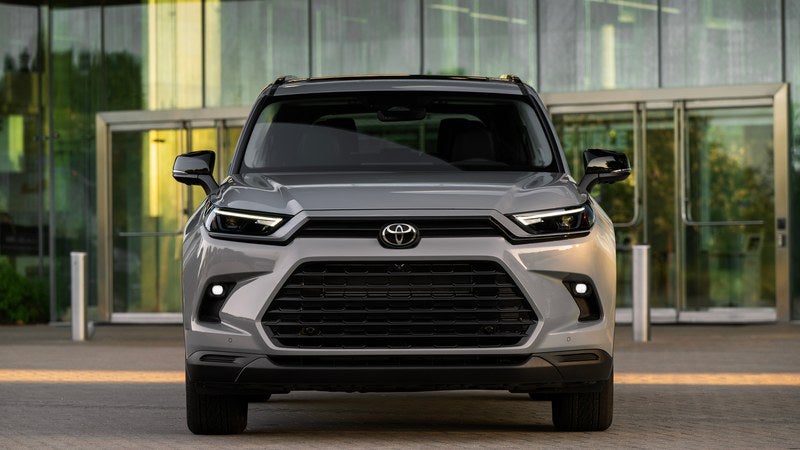
2025 Toyota Grand Highlander three-row SUV

Toyota Seating Capacities by Vehicle [2026 Guide]

Toyota seating capacities for the 2026 lineup range from two to eight passengers, depending on the model and configuration. Sedans like the Camry and crossovers like the RAV4 seat five, family-focused SUVs and minivans such as the Highlander Hybrid, Sienna, 4Runner, and Land Cruiser can seat seven or eight. Understanding Toyota seating capacities by vehicle helps shoppers quickly compare models, trims, and layouts to choose a vehicle that fits daily driving, family needs, and long trips. At Findlay Toyota Prescott, our team is here to help you match the right Toyota to your lifestyle and passenger needs. We proudly support drivers with new and used vehicle sales, expert service, genuine Toyota parts, and ongoing care long after purchase. Visit Findlay Toyota Prescott or contact our team today to explore your options. Explore Our Inventory Get Directions Contact Us Seating Capacity Toyota Models 2 seats GR Supra Tacoma XtraCab 4 seats GR86 5 seats Camry Camry Hybrid Corolla Corolla Hybrid Corolla Hatchback GR Corolla Crown Prius Prius Plug-In Hybrid Mirai RAV4 RAV4 Hybrid RAV4 Plug-In Hybrid Corolla Cross Corolla Cross Hybrid Crown Signia Land Cruiser bZ4X 7 or 8 seats Highlander Highlander Hybrid Grand Highlander Grand Highlander Hybrid Sienna Sequoia 4Runner (select trims with optional third row) How Many Seats Does the 2026 Toyota Lineup Offer Across All Models? Choosing the right Toyota often starts with one simple question: how many passengers can it carry comfortably? The 2026 lineup covers a wide range of vehicles, from compact sedans to large SUVs and minivans, as well as versatile trucks. Understanding these seating capacities helps match a vehicle to your lifestyle, whether it’s daily commuting, family road trips, or adventure outings. Sedans and Performance Hatchbacks (Seats 2 to 5 Passengers) Most Toyota sedans and smaller performance models are built to seat five passengers, with a few exceptions for sportier vehicles: Camry, Camry Hybrid Corolla, Corolla Hybrid, Corolla Hatchback, GR Corolla Crown (Luxury Sedan) Prius, Prius Plug-In Hybrid Mirai GR86 (Sport Coupe) GR Supra (Sports Coupe) SUVs and Crossovers (Seats 5 to 8 Passengers) Toyota SUVs offer a wide range of seating options, from compact five-passenger models to large three-row family haulers: RAV4 / Hybrid / Plug-in Hybrid Corolla Cross / Hybrid Crown Signia (Mid-Size SUV) bZ4X (Electric SUV) 4Runner, 4Runner i-FORCE MAX (optional third row on select trims) Land Cruiser Highlander / Hybrid (7 or 8 passengers) Grand Highlander / Hybrid (7 or 8 passengers) Sequoia (7 or 8 passengers) Minivans (Seats 7 to 8 Passengers) Sienna Pickup Trucks (Seats 2 to 6 Passengers) Tacoma XtraCab (2 seats) Tacoma, Tacoma i-FORCE MAX (Double Cab 5 seats) Tundra, Tundra i-FORCE MAX (Double Cab or CrewMax, 5–6 seats depending on cab) Understanding the official 2026 Toyota seating capacities makes it easier to choose the right vehicle without compromising passenger comfort or cargo space. To see these options in person and explore which configuration fits your lifestyle best, visiting Findlay Toyota Prescott offers a hands-on experience with popular models like the RAV4, Sienna, or Highlander. How Do Toyota Sedans Compare to SUVs for Passenger Capacity? Toyota sedans and SUVs differ most noticeably in how many passengers they can carry. Sedans focus on efficiency and comfort for smaller groups, while SUVs offer flexibility for families, cargo, and larger passenger loads. Sedans: Practical and Comfortable Sedans generally seat up to five passengers, providing smooth rides and ample legroom for front and rear seats. They are well-suited for daily commuting, running errands, or small families who value maneuverability and efficiency. SUVs: Flexible for Family and Gear SUVs can seat five to eight passengers, depending on the model and trim. Features like optional third rows, fold-flat seats, and extra cargo space make SUVs ideal for family trips, carpooling, or hauling gear. Models like the Highlander Hybrid offer three rows, making it easier to transport larger groups comfortably. Key Differences Passenger Capacity: Sedans accommodate up to five, while SUVs can handle five to eight passengers. Interior Flexibility: SUVs provide configurable second- and third-row seating for added versatility. Cargo Space: SUVs offer more room for luggage, sports equipment, or everyday items. Driving Needs: Sedans are easier to park and more fuel-efficient, while SUVs are better for larger groups and multi-purpose trips. Visiting Findlay Toyota Prescott gives you a chance to experience both options firsthand, helping you decide whether a sedan or SUV best fits your lifestyle. Which Toyota SUVs Offer Third-Row Seating in 2026? For families or anyone who frequently travels with larger groups, knowing which SUVs provide third-row seating is essential. While some Toyota SUVs seat five passengers by default, others expand capacity to seven or eight, giving you more flexibility. SUVs with Standard Third Rows Certain models come with a third row as a standard feature, allowing you to comfortably fit more passengers without sacrificing front- and middle-row space. Highlander / Highlander Hybrid Grand Highlander / Grand Highlander Hybrid Sequoia Sienna These vehicles are designed to accommodate families, carpooling, or group trips, providing easy access to the third row and configurable seating to balance comfort and cargo space. SUVs with Optional Third Rows Other Toyota SUVs are primarily two-row vehicles but offer an optional third row in select trims, ideal for occasional extra passengers. 4Runner (optional third row on certain trims) Optional third rows typically reduce cargo space slightly but give flexibility for growing families or weekend adventures. Why Third-Row Seating Matters Passenger Versatility: Accommodate larger groups or multiple children comfortably. Trim and Configuration Options: Depending on trim, a third row may include bench seats or captain’s chairs for added comfort. Practicality: Third rows make SUVs suitable for long trips, carpools, or transporting extra passengers without needing a larger vehicle. Exploring models like the Highlander or 4Runner at Findlay Toyota Prescott lets you see firsthand how third-row seating affects comfort and space. Experiencing the layout in person helps determine which SUV fits your needs best. How Does Seating Capacity Change by Trim Level and Configuration? Seating capacity in Toyota vehicles can vary depending on the trim and interior layout. Understanding these differences ensures you choose a configuration that fits your family, commuting needs, or lifestyle. Bench Seats vs. Captain’s Chairs Some SUVs and minivans offer different second-row options that directly impact how many passengers can ride comfortably. Bench Seats: Typically increase passenger capacity by allowing one extra seat, accommodating up to eight people in three-row vehicles. Captain’s Chairs: Provide easier access to the third row and more comfort for middle-row passengers, but reduce total seating by one, usually accommodating seven. Models like the Sienna illustrate this perfectly. Depending on the trim, you can select either a bench seat for maximum passenger capacity or captain’s chairs for added comfort and easier third-row access. Trim-Specific Changes Higher trims may prioritize luxury and comfort, often including captain’s chairs or premium seating materials. Base or mid-level trims often favor bench seats to maximize seating for larger families or carpools. Some configurations may also adjust cargo space or legroom depending on seat type. Why Trim and Configuration Matter Passenger Count: Ensures you have enough seating for your regular passengers. Accessibility: Captain’s chairs make it easier for children or adults to reach the third row. Comfort vs. Capacity: Choosing between bench seats and captain’s chairs balances passenger comfort with the number of riders. Visiting Findlay Toyota Prescott allows you to compare different trims and seating configurations in person, helping you choose the right setup for your family or daily driving needs. How Can Seating Capacity Impact Cargo Space and Comfort? Choosing a vehicle isn’t just about how many passengers it can carry. Seating capacity directly affects interior space, cargo room, and overall comfort, especially for SUVs and larger vehicles. More Seats, Less Cargo Space Vehicles with three rows of seating, like the 4Runner with its optional third row, can accommodate extra passengers, but the tradeoff is often reduced cargo space. Folding or removing seats can restore some storage, but fully loaded vehicles may limit the gear you can carry. Comfort Considerations Legroom: Adding a third row can reduce legroom for middle-row passengers. Access: Captain’s chairs or split-folding seats make it easier to enter the third row. Seating Layout: Configurations that maximize passengers may sacrifice seat width or elbow room, affecting comfort on longer trips. Balancing Passengers and Cargo Fold-flat seats allow quick transitions between carrying people and gear. Choosing the right trim or configuration can help you balance seating needs with storage requirements. SUVs like the 4Runner offer flexible cargo options while still providing optional seating for extra passengers. Testing different configurations at Findlay Toyota Prescott helps you see how seating arrangements impact both comfort and cargo capacity. This hands-on experience makes it easier to choose a vehicle that meets your family’s or adventure needs. Which Toyota Models Offer the Most Flexible Interior Seating in 2026? Flexibility is key when a vehicle needs to accommodate both passengers and cargo. Certain Toyota models are designed to adapt to a variety of needs, offering multiple seating layouts, fold-flat options, and configurable rows. Highly Flexible Models Sienna and Highlander: Offer three-row seating with either captain’s chairs or bench seats, allowing easy adjustment between passenger capacity and cargo space. Land Cruiser: Though primarily a two-row SUV in some trims, it provides a spacious and configurable interior to balance comfort and storage. 4Runner: Optional third-row seating and fold-flat rear seats make it suitable for both passengers and gear. Features That Enhance Flexibility Fold-flat second and third rows Slide and reclining seats for comfort and accessibility Multiple configurations for adult passengers or children These adaptable layouts ensure you can carry large groups, luggage, or recreational equipment without compromising comfort. Visiting Findlay Toyota Prescott allows you to explore the interior flexibility of models like the Land Cruiser and 4Runner, helping you choose the best setup for your lifestyle. Which Toyota Vehicles Are Best for Families Versus Daily Commuters? Choosing the right Toyota depends on your lifestyle. Some vehicles are tailored for families needing extra space, while others are perfect for daily commuting and city driving. Best Options for Families Vehicles with three rows or flexible seating work best for larger groups or frequent carpooling. Highlander / Highlander Hybrid Grand Highlander / Grand Highlander Hybrid Sienna Sequoia 4Runner (optional third row) These models offer enough room for passengers, groceries, sports gear, or weekend trips. Third-row access and configurable seating make it easier to balance comfort with cargo space. Best Options for Daily Commuters Smaller sedans and compact SUVs provide efficiency, maneuverability, and easy parking for everyday use. Camry / Camry Hybrid Corolla / Corolla Hybrid / Corolla Hatchback / GR Corolla RAV4 / RAV4 Hybrid / RAV4 Plug-In Hybrid Crown Prius / Prius Plug-In Hybrid These vehicles offer comfortable seating for up to five, excellent fuel efficiency, and smooth rides for commuting or running errands around town. Visiting Findlay Toyota Prescott allows you to compare these options in person, helping you determine whether a larger SUV or a smaller sedan fits your daily needs and family lifestyle. What Should Buyers Check Before Choosing a Toyota Based on Passenger Capacity? Selecting a Toyota that matches your passenger needs goes beyond just counting seats. Paying attention to details ensures comfort, practicality, and long-term satisfaction. Key Factors to Consider Trim Level: Different trims may offer captain’s chairs or bench seats, which affect total passenger capacity. Interior Layout: Look at how easily passengers can access the second and third rows, especially for models like the Highlander Hybrid. Cargo vs. Passenger Tradeoff: Higher seating capacity may reduce cargo space, so consider how much gear you typically carry. Optional Third Rows: Some SUVs, like the 4Runner, offer third-row seating only on select trims, making it optional rather than standard. Seat Comfort: Check legroom, seat width, and headroom, especially for adult passengers in the third row. Additional Considerations Daily Use vs. Occasional Extra Seating: Decide whether you need extra seats every day or only occasionally. Family Growth or Group Travel: Think ahead about future passenger needs, school carpools, or weekend trips. Hands-On Experience: Visiting a dealership like Findlay Toyota Prescott lets you see, sit in, and test the configurations before making a decision. By carefully checking these factors, you can choose a Toyota that fits your lifestyle, balancing passenger capacity, comfort, and practicality. Frequently Asked Questions About Toyota Seating Capacities Choosing the right Toyota often means understanding exactly how many passengers each model can carry and how seating configurations affect comfort, cargo, and family needs. These frequently asked questions provide clear answers for drivers looking to match vehicles to their lifestyle. Which Toyota SUVs offer optional third-row seating, and which are true three-row models? Optional Third-Row SUVs: 4Runner (available on SR5 and Limited trims) True Three-Row SUVs: Highlander, Highlander Hybrid, Grand Highlander, Grand Highlander Hybrid, Sequoia, Sienna How do seating configurations (bench vs captain’s chairs) vary across Toyota trims? Bench seats typically allow maximum passenger capacity (usually 8 in three-row models). Captain’s chairs provide easier third-row access and more middle-row comfort, reducing total seating by one (usually 7 passengers). Models with this flexibility include Highlander, Highlander Hybrid, Grand Highlander, Grand Highlander Hybrid, Sienna, and Sequoia. Which Toyota models are best for families needing easy car-seat installation? Vehicles with wide second rows, accessible LATCH anchors, and sliding or split seats make car-seat installation easiest. Sienna, Highlander, Highlander Hybrid, Grand Highlander, Grand Highlander Hybrid, and 4Runner (select trims) are best suited for families. How does seating capacity affect cargo volume and towing options across Toyota models? Adding a third row reduces cargo space behind the last row. Folding or removing seats restores storage but can affect towing balance. Models like the 4Runner and Highlander provide flexible cargo space while maintaining strong towing capability within their respective classes. Your Next Toyota Awaits at Findlay Toyota Prescott Whether you are traveling from Cottonwood, Sedona, Pine, or Payson, Findlay Toyota Prescott makes it easy to find a vehicle that fits your lifestyle and seating needs. From the versatile RAV4 to the family-friendly Highlander Hybrid, the sleek Camry, spacious Sienna, rugged 4Runner, and capable Land Cruiser, our selection offers options for every passenger count and adventure. For more information about the RAV4, explore its expected mileage, see how it compares to competitors with the RAV4 cost comparison, and review ownership costs to help plan for both comfort and long-term value. These insights make it easier to match seating configurations with your family or commuting needs. Stop by Findlay Toyota Prescott to explore these vehicles in person, test drive models like the RAV4 and Highlander Hybrid, and discuss your seating and cargo needs. You can also contact our team directly to get personalized guidance and answers to any questions about our full Toyota lineup. Get Directions to Findlay Toyota Prescott Disclaimer: All information is provided for general informational and entertainment purposes only. While we strive for accuracy, we cannot guarantee that all content is complete, current, or error-free. Any reliance you place on such information is strictly at your own risk. This article may include opinions and is not endorsed by, or officially affiliated with, any vehicle manufacturer or brand. Always consult official sources – such as the vehicle’s owner’s manual, authorized dealerships, or certified professionals – for the most up-to-date and personalized information.

2025 Toyota RAV4 compact SUV

How Many Miles Should the Toyota RAV4 Last? [2026 Guide]

The 2026 Toyota RAV4 is engineered for longevity, with most models lasting between 200,000 and 250,000 miles under regular maintenance. With careful care, some owners can surpass 300,000 miles thanks to reinforced design, durable hybrid powertrains, and consistent service. From understanding how the TNGA-K platform enhances durability to knowing the impact of maintenance schedules, driving habits, and warranty coverage, a well-maintained RAV4 offers dependable performance and high-mileage reliability. Findlay Toyota Prescott is dedicated to helping drivers in Prescott, Cottonwood, Sedona, Pine, and Payson with all their automotive needs. Whether you are looking for a new Toyota, need service or genuine parts, or want guidance on maintenance for long-lasting performance, our team is ready to assist. Visit our dealership or contact us today to speak with our knowledgeable staff and ensure your vehicle stays on the road for many miles to come. Explore The Toyota RAV4 Get Directions Contact Us How Many Miles Does a 2026 Toyota RAV4 Typically Last? The 2026 RAV4 is designed to last for many miles when properly maintained. Its hybrid system and reinforced design reduce wear and support long-term reliability. Most vehicles reach: Conservative use: 150,000 to 200,000 miles, following regular service schedules. Moderate use: 200,000 to 250,000 miles with consistent oil changes and fluid checks. Optimal care: 300,000 miles or more when following strict maintenance and gentle driving habits. Longevity depends on more than the engine. Driving style, road conditions, and regular checks all affect how long the RAV4 lasts. The hybrid system reduces stress on the drivetrain, and regular inspections of brakes, tires, and fluids help prevent wear. With proper care, a 2026 RAV4 can deliver decades of dependable performance. What Design Features Help the 2026 RAV4 Achieve Long-Term Durability? The 2026 RAV4 uses several key design features to support durability and high mileage. Key elements include: TNGA-K Platform: Reinforced frame and suspension points improve rigidity and reduce long-term wear. High-Damping Adhesives: Reduce micro-vibrations, protecting metal components and interior seals. Chassis Reinforcements: Strengthened joints and mounts improve handling and prevent fatigue. Hybrid Powertrain Design: Electrified systems reduce mechanical stress compared to traditional engines. These design choices work together to extend the life of the vehicle. Following the RAV4 longevity guide helps owners maintain these benefits. By keeping the structure stable and the powertrain efficient, the RAV4 supports thousands of high-quality miles. How Does the 2026 RAV4 Powertrain Support Longevity? The RAV4 uses hybrid powertrains designed to last for many miles while reducing mechanical stress. These systems help the Toyota RAV4 achieve high miles over its lifespan. Key features include: Hybrid Engine Efficiency: The 2.5-liter Atkinson-cycle engine lowers internal stress for longer life. eCVT Transmission: Uses planetary gears instead of belts or chains, reducing wear over time. Battery Management: Thermal control keeps hybrid batteries at optimal temperature, extending durability. AWD and FWD Options: Both drivetrain layouts are engineered for longevity under normal use. These powertrain elements work together to maintain smooth performance and reliability. Regular checks of fluids, brakes, and battery systems support lasting function. Following recommended service schedules ensures the RAV4 continues to achieve high mileage and dependable performance. How Does Regular Maintenance Affect Toyota RAV4 Longevity? Regular maintenance is essential for preserving the RAV4’s high-mileage durability. Following service schedules prevents wear on key components and keeps the hybrid system efficient. Owners who stay on top of maintenance often see fewer repairs and longer-lasting performance. Critical maintenance tasks include: Oil Changes: Every 10,000 miles for normal driving, or 5,000 miles under severe conditions. Fluid Checks and Replacements: Transmission, brake, coolant, and differential fluids at recommended intervals. Tire Rotations and Brake Inspections: Keep handling smooth and reduce uneven wear. Battery and Hybrid System Inspections: Ensure electrified components remain efficient and reliable. Adhering to these tasks directly affects the RAV4’s ability to reach high mileage. Skipping maintenance can accelerate wear, reducing overall lifespan. Proper care helps the vehicle maintain performance and reliability for years. What Can Warranty Coverage Tell Us About RAV4 Lifespan? Warranty coverage offers insight into how many miles a 2026 Toyota RAV4 can last. It reflects Toyota’s confidence in the vehicle’s components and durability. Knowing the limits helps owners understand which parts are designed for long-term use and which may need attention sooner. Key warranty details include: Basic Warranty: 36 months or 36,000 miles for general coverage. Powertrain Warranty: 60 months or 60,000 miles covering engine, transmission, and driveline. Hybrid System Warranty: 8 years or 100,000 miles protecting electrified components. High-Voltage Battery Warranty: 10 years or 150,000 miles for the hybrid battery. These warranties indicate the areas of the RAV4 built for longevity. Following coverage guidelines and service intervals supports lasting performance. The warranties also highlight that with proper care, a 2026 RAV4 can surpass standard mileage expectations. Which Driving Habits Extend or Reduce RAV4 Mileage? Following the RAV4 longevity guide helps drivers maximize mileage and keep their vehicle running smoothly for years. Certain driving habits can extend the life of your RAV4, while others may shorten it. Habits that extend RAV4 mileage: Moderate speeds: Avoid frequent rapid acceleration or hard braking. Light loads: Stay within towing and cargo limits. Regenerative braking: Use the hybrid system to slow the car, reducing wear on brakes. Smooth cornering and lane changes: Less stress on tires and suspension. Habits that reduce RAV4 mileage: Overloading the vehicle: Exceeding cargo limits adds strain to the drivetrain and suspension. Towing beyond recommended limits: Can accelerate wear on the engine, transmission, and brakes. Constant high-speed driving: Increases stress on hybrid components and tires. Using the RAV4 longevity guide as a reference for daily driving choices ensures high-mileage durability. Consistently following these beneficial habits while avoiding harmful ones helps maintain your RAV4’s long-term reliability. How Do Environmental Factors Impact RAV4 Longevity? The environment where a RAV4 is driven can significantly influence its long-term durability. Road conditions, climate, and seasonal changes all play a role in how the vehicle ages over time. Owners who adapt their care routines to their specific surroundings are much more likely to maintain peak performance for the long haul. Key environmental factors include: Climate: Extreme heat can stress the battery, tires, and engine fluids. Conversely, cold temperatures may affect tire pressure and hybrid battery efficiency. Road Conditions: Smooth highways reduce overall wear, while rough or unpaved roads increase stress on the suspension and chassis. Salted or Wet Roads: Winter salt or frequent rain can accelerate rust and corrosion if the undercarriage is not cleaned regularly. High Altitude or Steep Terrain: Driving in mountainous areas increases engine load, making frequent fluid inspections crucial. By adjusting driving habits and service schedules to account for these local conditions, owners can successfully maximize their total Toyota RAV4 lifespan in miles. How Can Owners Maximize Their RAV4’s Longevity? Owners play a key role in how many miles a Toyota RAV4 lasts in 2026. Following proper maintenance and mindful driving greatly improves long-term performance. Ways to maximize RAV4 longevity include: Stick to scheduled maintenance: Oil changes, fluid checks, and brake inspections protect critical systems. Monitor tire health: Proper inflation and rotation reduce wear and improve handling. Drive gently: Smooth acceleration and braking reduce stress on the hybrid powertrain. Avoid overloading: Stay within towing and cargo limits to prevent drivetrain and suspension strain. Use recommended fuels and fluids: High-quality oil and hybrid-friendly fluids maintain optimal engine and battery health. With consistent care, the RAV4 can reach higher mileage goals while keeping its components in strong condition. Owners who follow these steps support the hybrid system and drivetrain, helping ensure long-term reliability. Frequently Asked Questions About Toyota RAV4 Longevity Many drivers want to know how long a RAV4 can last and what factors influence its lifespan. These questions address common concerns about mileage, maintenance, and durability. What average mileage can owners expect from a well-maintained Toyota RAV4? A well-maintained 2026 RAV4 can typically reach 200,000 to 250,000 miles. With strict maintenance and gentle driving, some owners may exceed 300,000 miles. Which model years or engine types of the RAV4 are known to last the longest? Hybrid models, including the 2026 RAV4’s HEV and PHEV systems, are designed for long-term durability. Prior generations with the TNGA-K platform also demonstrate strong high-mileage reliability. What routine maintenance schedule most improves RAV4 longevity? Following Toyota’s scheduled services is key: Oil changes every 5,000–10,000 miles, depending on conditions. Brake and fluid inspections regularly. Transmission and differential checks at recommended intervals. Tire rotation and proper inflation. Are there common failure points or repairs that shorten the RAV4’s lifespan? RAV4s have no widely reported trim-specific failures. Lifespan can shorten if maintenance is skipped, hybrid systems are neglected, or the vehicle is overloaded. How does driving style and environment (city vs highway, towing) affect expected RAV4 miles? City driving: More stop-and-go can increase brake wear, but generally does not harm the hybrid powertrain if maintained. Highway driving: Less stress on brakes and engine, often extending longevity. Towing or heavy loads: Exceeding limits can strain the drivetrain and suspension, reducing expected mileage. Get the Most Miles from Your RAV4 at Findlay Toyota Prescott If you are in Cottonwood, Sedona, Pine, or Payson, Findlay Toyota Prescott offers a wide selection of vehicles, including RAV4 models for you to explore. Our experts can provide guidance on RAV4 mileage expectations to help you plan for confident long-term ownership. Drivers also want to understand costs and efficiency. You can explore RAV4 cost comparison, review ownership costs, and learn how the hybrid system works in everyday driving. Our team can walk you through service schedules, maintenance tips, and parts availability to help your RAV4 stay reliable and fuel-efficient. Visit or contact Findlay Toyota Prescott to test drive a RAV4, explore trims, and get answers from our knowledgeable staff. We aim to make your experience straightforward, helpful, and stress-free while helping you enjoy your vehicle for years to come. Get Directions to Findlay Toyota Prescott Disclaimer: All information is provided for general informational and entertainment purposes only. While we strive for accuracy, we cannot guarantee that all content is complete, current, or error-free. Any reliance you place on such information is strictly at your own risk. This article may include opinions and is not endorsed by, or officially affiliated with, any vehicle manufacturer or brand. Always consult official sources – such as the vehicle’s owner’s manual, authorized dealerships, or certified professionals – for the most up-to-date and personalized information.

2025 Toyota RAV4 compact SUV

How Much Does the Toyota RAV4 Cost Compared to Competitors? [2026]

The 2026 Toyota RAV4 enters the compact SUV market with a starting MSRP of about $31,900, placing it slightly higher than many of its gas-only rivals such as the Honda CR V, Nissan Rogue, Mazda CX 5, Subaru Forester, Kia Sportage, and Hyundai Tucson. The RAV4’s hybrid focused design, strong fuel economy, and well equipped trims help justify its premium, giving shoppers a clearer picture of how the Toyota RAV4 price compares to competitors in 2026. Shoppers can use this cost breakdown to understand real value, long term savings, and how the RAV4 stacks up in a RAV4 vs CR V vs Rogue price comparison across the segment. Findlay Toyota Prescott is proud to support drivers throughout Northern Arizona. Our team is ready to assist with sales, service, parts, and personalized guidance whether you are shopping for a new RAV4 or maintaining a current Toyota. Contact us today or give us a call so we can help you take the next step with confidence. Explore The New RAV4 Get Directions Contact Us What Is the 2026 Toyota RAV4 Price and How Does It Compare to Other Compact SUVs? The 2026 RAV4 starts at about 31,900 dollars. Some trims list a bit higher due to the hybrid setup. This puts the RAV4 close to the top of the compact SUV class. Many rivals start at lower prices, but they often use a gas engine. That gap is the core of the Toyota RAV4 price vs competitors 2026. Here is a quick look at key starting prices: RAV4: about $31,900 Honda CR V: about $30,920 Nissan Rogue: about $29,090 Mazda CX 5: about $29,050 Subaru Forester: about $29,995 Kia Sportage: about $28,690 Hyundai Tucson: about $29,200 These price points give clear insight into how the RAV4 compares. The RAV4 sits a bit higher, yet it offers strong value with its hybrid build. That mix of price and tech draws many buyers who want good fuel use and low upkeep. Why Does the 2026 RAV4 Start Higher Than Many Rival Compact SUVs? The 2026 RAV4 starts at a higher price than many rivals because Toyota shifted to a hybrid-first approach. This change raises the base cost but also improves fuel efficiency and long-term savings. When looking at a RAV4 cost comparison 2026, it is clear that hybrid technology is a major factor. Other reasons for the higher starting price include: Standard hybrid engine: Most rivals still offer gas-only base models. Advanced safety features: Toyota Safety Sense 4.0 comes standard on all trims. Technology and comfort upgrades: Digital displays, multimedia systems, and premium seating options are included in more trims. All-wheel drive availability: Many trims offer AWD at no extra cost, while some competitors charge more. These elements add value and explain why the RAV4 costs more upfront. Even with a higher price, many buyers see benefits in fuel savings, tech, and safety features over time. How Do RAV4 Trims Compare in Price and Features Against Competitor Trims? The 2026 RAV4 offers several trims that give buyers choices in price, tech, and comfort. Comparing RAV4 MSRP vs rivals shows how each trim stacks up against similar models from other brands. Higher trims include more features but also cost more. This makes it easier for buyers to pick the right balance of price and equipment. Here’s a quick look at RAV4 trims and highlights: LE ($31,900) Hybrid engine standard 12.3-inch digital gauge cluster Toyota Safety Sense 4.0 XLE Premium ($36,100) SofTex seating Heated front seats Power liftgate SE ($34,700) Sporty exterior accents 18-inch sport alloy wheels Blue interior stitching XSE ($41,300) Ventilated front seats 12.9-inch multimedia touchscreen Sport-tuned suspension Limited ($43,300) Panoramic roof JBL premium audio Dual wireless charging Compared to rivals, the RAV4 often includes more tech and safety features in its base and mid trims. Even though the top trims cost more, they offer equipment that rivals may reserve for higher-priced models. This makes the RAV4 a strong choice for buyers who value standard features and hybrid efficiency. Does the 2026 RAV4 Offer Lower Ownership Costs Than Gas-Only Competitors? While the 2026 RAV4 has a higher starting price, its hybrid engine can save money over time. Looking at Toyota RAV4 price vs competitors 2026, the extra cost often pays off in fuel savings. Buyers who drive long distances or daily commutes may see real benefits. Key factors that reduce ownership costs include: Fuel efficiency: Some RAV4 hybrid trims reach up to 44 mpg combined. Lower maintenance: Hybrid engines can reduce wear on brakes and engine parts. Resale value: RAV4 retains value well compared to many gas-only rivals. Insurance costs: Rates are generally competitive due to safety features. Even with a higher MSRP, total cost of ownership can be lower than gas-only models over several years. Buyers who value fuel savings and long-term reliability often find the RAV4 a smart choice. Are There Differences in Regional Pricing or Real-World Transaction Prices? The price you see online may not always match what buyers pay at a local dealer. A RAV4 cost comparison 2026 shows that regional factors can change the final price. Inventory levels, dealer markup, and local demand all play a role. Buyers in Northern Arizona may notice different prices than in other areas. Factors that affect regional pricing include: Dealer markup: Popular trims may cost more if supply is low. Local incentives: Some dealerships offer discounts or perks that reduce price. Taxes and fees: Local taxes, registration, and delivery charges can add up. Supply and demand: Limited stock in high-demand areas may raise prices slightly. Because of these variables, it is best to check with a local dealer for accurate pricing. Doing so helps buyers understand true cost and plan their budget effectively. Which Compact SUV Offers the Best Value for Different Types of Buyers? Choosing the right compact SUV depends on what buyers value most. A RAV4 vs CR-V vs Rogue price comparison can help show which model fits best. Some buyers want low long-term costs, others want more tech or comfort, and some focus on performance or style. Here is a quick guide by buyer type: Fuel-conscious drivers: RAV4 hybrids offer strong fuel economy and lower long-term costs. Budget shoppers: Nissan Rogue or Kia Sportage may start lower and still offer good features. Tech enthusiasts: Higher RAV4 trims include large touchscreens, advanced safety, and premium audio. Adventure and off-road fans: RAV4 and Subaru Forester offer AWD and rugged trims for trails. Family-focused buyers: CR-V and RAV4 provide roomy cabins and strong safety systems. By weighing price, features, and long-term costs, buyers can see which compact SUV gives the most value for their needs. The RAV4 often stands out for hybrid efficiency, tech, and safety features across multiple trims. What Should Buyers Consider When Choosing Between the RAV4 and Its Competitors? When comparing compact SUVs, it is important to look beyond the starting price. A RAV4 MSRP vs rivals review can help buyers understand which model meets their needs. Factors like fuel efficiency, tech, and safety play a key role. Trim levels and optional features can also affect value and cost. Key points to consider include: Fuel economy: Hybrid models save money on gas over time. Safety features: Check standard and available systems like lane assist and emergency braking. Technology and comfort: Compare screens, audio, seats, and convenience features across trims. All-wheel drive and performance: Consider driving conditions and terrain in your area. Total cost of ownership: Include fuel, insurance, maintenance, and resale value. Taking these factors into account helps buyers make an informed choice. The RAV4 often offers a strong mix of efficiency, safety, and tech across its trims. Frequently Asked Questions: How Much Does the Toyota RAV4 Cost Compared to Competitors? [2026] Shoppers often have specific questions when comparing the 2026 Toyota RAV4 to other compact SUVs. These answers provide clear insights on pricing, features, and ownership costs. How does the MSRP of the 2026 Toyota RAV4 compare to direct competitors (Honda CR-V, Nissan Rogue, Hyundai Tucson)? The 2026 RAV4 starts around $31,900, placing it slightly higher than most rivals. Honda CR-V: $30,920 Nissan Rogue: $29,090 Hyundai Tucson: $29,200 The higher starting price is largely due to the RAV4’s standard hybrid setup. What trims or options cause the biggest price differences between the RAV4 and its rivals? Hybrid powertrains on the RAV4 increase starting prices compared to gas-only rivals. Higher trims with premium tech, larger touchscreens, leather or SofTex seats, and advanced safety features further raise costs. AWD availability is included on several RAV4 trims, while some competitors charge extra. How do standard features at each price point compare between the RAV4 and competitors? Even the base RAV4 includes Toyota Safety Sense 4.0, a digital gauge cluster, and a hybrid engine. Competitors often require higher trims to include similar tech or safety packages. Mid and top trims of the RAV4 add larger multimedia screens, premium audio, and more comfort features that rivals reserve for higher trim levels. What incentives, dealer rebates, or financing deals typically change the real purchase price of the RAV4 vs rivals? Specific 2026 incentives are not listed in the research provided. Regional dealer incentives, seasonal rebates, and financing offers can reduce the actual purchase price of the RAV4. Real-world prices vary depending on inventory and local demand. How does total cost of ownership (insurance, maintenance, depreciation) for the RAV4 compare over 3–5 years to competitors? The hybrid engine improves fuel efficiency, lowering fuel costs compared to gas-only rivals. Maintenance may be slightly lower on hybrid RAV4s due to reduced engine wear. Resale value for the RAV4 tends to remain strong. Insurance costs are generally competitive thanks to standard safety features. Find Your Next RAV4 at Findlay Toyota Prescott Drivers from Cottonwood, Sedona, Pine, and Payson are invited to explore our wide selection of Toyota vehicles, including the RAV4. Our team can help you compare trims, find the best fit, and understand pricing, fuel economy, and features. We also provide helpful resources to guide your decision. Learn more about how much it costs to own and maintain a Toyota RAV4, see if the Toyota RAV4 Hybrid qualifies for tax credits, or find out how many miles a Toyota Tacoma can last. These guides help you understand long-term costs, savings, and vehicle durability. Contact us today or stop by Findlay Toyota Prescott to speak with a knowledgeable team member. We are ready to help with sales, service, parts, and all your automotive needs. Get Directions to Findlay Toyota Prescott Disclaimer: All information is provided for general informational and entertainment purposes only. While we strive for accuracy, we cannot guarantee that all content is complete, current, or error-free. Any reliance you place on such information is strictly at your own risk. This article may include opinions and is not endorsed by, or officially affiliated with, any vehicle manufacturer or brand. Always consult official sources – such as the vehicle’s owner’s manual, authorized dealerships, or certified professionals – for the most up-to-date and personalized information.

2025 Toyota RAV4 compact SUV

How Much Does the Toyota RAV4 Cost to Own & Maintain? [2026]

The 2026 Toyota RAV4 is designed to deliver low ownership and maintenance costs while providing reliable hybrid performance for drivers in Prescott, Wildwood Estates, and Yavapai Hills. Routine upkeep, fuel efficiency, and ToyotaCare coverage help keep long-term expenses manageable, and historical RAV4 data shows owners can expect affordability without sacrificing durability or comfort. From projected maintenance schedules to total cost of ownership estimates, the RAV4 offers a clear picture of what to expect for everyday driving and long-term reliability. Findlay Toyota Prescott is committed to serving the automotive needs of our community, whether it’s helping you find the right vehicle, providing expert service, or supplying genuine parts. Our team is here to make ownership simple and worry-free. Contact us today or give us a call to learn more about the 2026 Toyota RAV4 and how we can support you every step of the way. Explore The New RAV4 Get Directions Contact Us What Are the Toyota RAV4 Ownership and Maintenance Costs? The 2026 RAV4 is expected to provide affordable ownership and low maintenance, helping drivers in Prescott, Wildwood Estates, and Yavapai Hills manage costs. While official 2026 data is not yet available, estimates are based on past RAV4 Hybrid models and Toyota’s strong record for reliability and practical maintenance. Owners of recent RAV4 Hybrids have typically spent around $400–$500 per year on routine upkeep, well below the average for compact hybrid SUVs. Fuel efficiency and hybrid technology are major contributors to these savings. ToyotaCare covers factory-recommended maintenance for the first 2 years or 25,000 miles, reducing early ownership costs. Over five years, total expenses are projected to remain lower than the segment average, making the RAV4 a cost-conscious option. Key factors affecting ownership costs include: Routine maintenance: oil changes, tire rotations, brake inspections Fuel efficiency: hybrids save money compared with gas-only SUVs Warranty coverage: ToyotaCare and hybrid system warranties reduce unexpected repairs Local driving conditions: hills and roads around Prescott and surrounding areas can affect wear Historical patterns suggest the 2026 RAV4 will continue Toyota’s reputation for long-term reliability, efficient hybrid performance, and practical maintenance schedules. These traits make it a strong choice for drivers seeking predictable, manageable ownership costs. How Does the 2026 Toyota RAV4 Hybrid System Help Reduce Long-Term Costs? The hybrid system in the 2026 RAV4 is designed to save fuel and reduce wear on key components. By combining a gas engine with electric motors, the RAV4 can rely on electricity during low-speed driving, which lowers fuel use and cuts stress on the engine. Past RAV4 hybrid models have consistently shown low maintenance needs, a trend likely to continue with the 2026 lineup. Fuel economy varies slightly by drivetrain: FWD models: generally offer the highest efficiency and lowest fuel costs AWD models: provide better traction but slightly lower mileage Plug-in hybrid (PHEV) models: allow short trips on electric power alone, reducing gas usage further Other ways the hybrid system reduces costs include: Less brake wear due to regenerative braking Smoother engine operation, which may extend component life Reduced heat and friction in the drivetrain These features help keep Toyota RAV4 long-term ownership costs lower than many other compact SUVs. With routine 2026 RAV4 upkeep & service, owners can expect predictable maintenance schedules and fewer unexpected repairs. Drivers in Prescott, Wildwood Estates, and Yavapai Hills may notice especially strong savings from fuel efficiency and reduced wear over time. What Routine Services Should RAV4 Owners Expect and When? Although the 2026 RAV4 is not yet available, routine maintenance intervals are expected to mirror past hybrid models. Following a regular schedule helps maintain performance, fuel efficiency, and reliability. Most RAV4 owners spend about $100–$200 per year on early upkeep, which keeps long-term costs manageable. Hybrid technology can reduce engine wear, meaning fewer major repairs over time. A projected 2026 RAV4 maintenance guide includes key services such as: Oil and filter changes: every 5,000–10,000 miles depending on driving conditions Tire rotations: every 5,000–7,500 miles to extend tire life Brake inspections: often performed during tire rotations Cabin air filter replacement: around every 15,000–20,000 miles Fluid checks: including coolant, brake, and windshield washer fluids Other tips for 2026 RAV4 upkeep & service: Keep hybrid battery and electrical systems checked during scheduled visits Follow manufacturer-recommended intervals for brake and transmission inspections Track mileage and driving conditions to adjust service schedules as needed By sticking to a routine schedule, owners can maintain efficiency, prevent costly repairs, and reduce long-term ownership costs. Historical trends show these simple steps help the RAV4 remain reliable and cost-effective over many years. How Reliable Is the 2026 Toyota RAV4 Over Time? The RAV4 has a long history of reliability, with many models reaching 200,000 miles or more with proper care. Past hybrid models have shown low repair frequency and fewer major mechanical issues compared with other compact SUVs. These trends suggest the 2026 RAV4 will continue to offer dependable performance for years. Key points on RAV4 reliability include: Hybrid components: batteries and motors are covered under long-term warranties ToyotaCare: covers factory-recommended maintenance for the first 2 years or 25,000 miles Engine and drivetrain: historically durable with minimal unscheduled repairs Brake and suspension systems: low maintenance needs due to hybrid technology and solid design Regular upkeep and adherence to service schedules help extend the RAV4’s lifespan. Drivers in Prescott, Wildwood Estates, and Yavapai Hills can expect the same strong performance and low long-term costs that past RAV4 owners have experienced. Based on historical performance, the 2026 RAV4 is expected to maintain Toyota’s reputation for dependability and affordability. What’s Included in ToyotaCare and Extended Maintenance Coverage? ToyotaCare helps make RAV4 ownership easier and more predictable. Standard coverage includes scheduled maintenance for the first 2 years or 25,000 miles. This plan reduces unexpected repair costs and can help lower Toyota RAV4 long-term ownership costs. Optional ToyotaCare Plus extends coverage for additional service intervals, giving owners added peace of mind. Hybrid drivers in particular benefit from fewer major repairs and smoother maintenance. Key services included in ToyotaCare are: Oil and filter changes at recommended mileage Tire rotations to ensure even wear Brake inspections to keep stopping power consistent Fluid checks for coolant, brake, and windshield washer systems Multi-point inspections to identify minor issues early Extended plans help cover hybrid components, brakes, and other key systems. Regular use of ToyotaCare keeps 2026 RAV4 upkeep & service predictable and manageable. Drivers in Prescott, Wildwood Estates, and Yavapai Hills gain the advantage of professional service at Findlay Toyota Prescott, saving time and ensuring high-quality care. Using these programs helps the RAV4 remain reliable and maintain its value over many years. Which Factors Influence the Total Cost of RAV4 Ownership in Prescott? The Toyota RAV4 total cost of ownership 2026 will depend on several key factors. While exact 2026 figures are pending, previous RAV4 models show these elements strongly affect long-term costs. Driving style, terrain, and climate in Prescott, Wildwood Estates, and Yavapai Hills can influence wear on tires, brakes, and fuel use. Other factors that may affect Toyota RAV4 ownership costs 2026 include: Trim level: higher trims with more features may have higher repair and insurance costs Mileage: frequent long trips increase maintenance needs and tire replacements Local labor and service rates: costs vary across dealerships and service shops Fuel usage: hybrid efficiency helps lower fuel costs, but city and highway driving make a difference Optional accessories or modifications: these can affect maintenance and warranty coverage By understanding these factors, drivers can better plan for predictable ownership expenses. Historical trends suggest that regular upkeep and mindful driving help keep RAV4 ownership affordable over many years. How Does the 2026 Toyota RAV4 Compare to Other SUVs in Cost and Value? Past RAV4 models consistently outperform peers in long-term reliability and cost efficiency, setting strong expectations for the 2026 version. Hybrid technology and efficient engineering help reduce fuel and maintenance expenses. Drivers in Prescott, Wildwood Estates, and Yavapai Hills may notice lower costs compared with other compact SUVs. Key advantages of the RAV4 include: Fuel efficiency: hybrids use less gas, which reduces yearly spending Maintenance frequency: fewer repairs are needed over time Resale value: high demand keeps resale prices strong Warranty coverage: ToyotaCare and hybrid component warranties add peace of mind Compared with other SUVs, the RAV4 offers predictable upkeep and lower repair costs. Its strong resale value and reliable hybrid system help make ownership affordable over the long term. Drivers can expect manageable annual costs and long-term savings that often surpass competitors. Is the 2026 Toyota RAV4 a Smart Choice for Long-Term Ownership? The RAV4 has long been known for reliable performance and low maintenance needs. Although the 2026 model has not yet launched, historical trends suggest it will continue this tradition. Hybrid efficiency and ToyotaCare coverage make routine upkeep easier and more predictable. Drivers in Prescott, Wildwood Estates, and Yavapai Hills can expect cost-effective ownership with local dealership support. Key reasons the RAV4 is well-suited for long-term ownership include: Low routine maintenance costs help keep annual expenses manageable Excellent hybrid efficiency reduces fuel spending and supports eco-friendly driving Strong historical reliability means fewer unexpected repairs over time ToyotaCare coverage provides peace of mind during the first 2 years or 25,000 miles Historical data and Toyota’s track record indicate the 2026 RAV4 will likely offer some of the lowest long-term ownership costs in its segment. With proper care and scheduled service, drivers can enjoy reliable performance, efficiency, and overall value for many years. What are the expected maintenance costs for a 2026 Toyota RAV4 over 10 years? Based on historical data from recent RAV4 Hybrid models, routine maintenance is estimated at $400–$500 per year. Over 10 years, this totals roughly $4,000–$5,000. Major repairs are infrequent, keeping long-term costs below the compact SUV average. Which regular service items should I budget for when owning a 2026 RAV4? Budget for oil and filter changes, tire rotations, brake inspections, cabin air filter replacement, and fluid checks. Hybrid components may require less frequent engine service but should still be monitored. How do ownership costs (fuel, insurance, repairs) stack up for the 2026 RAV4? Fuel savings are higher than most compact SUVs due to hybrid efficiency. Insurance is moderate, depending on trim and coverage. Repair frequency is historically low, so overall costs remain below the segment average. What maintenance schedule should I follow to maximize the lifespan of a 2026 RAV4? Follow ToyotaCare’s recommended intervals: oil and filter every 5,000–10,000 miles, tire rotations every 5,000–7,500 miles, and annual brake inspections. Regularly check fluids and hybrid systems to help reach 200,000 miles or more. Are there common repair issues on RAV4s that new owners should prepare for? Past RAV4 models have occasionally experienced EVAP system clogs, oxygen sensor failures, or minor transmission shift issues in older vehicles. These issues are rare and usually manageable with regular maintenance. Get the Most from Your New Toyota RAV4 with Findlay Toyota Prescott If you’re in Prescott, Wildwood Estates, or Yavapai Hills, Findlay Toyota Prescott is here to help. Our team can assist with sales, service, parts, and more. We offer a wide selection of vehicles, including the RAV4, to fit your driving needs and lifestyle. For drivers curious about hybrid efficiency, check out Toyota RAV4’s Self-Charging Hybrid Technology to learn how it maximizes fuel savings and reduces maintenance. If you’re interested in vehicle longevity, see Toyota Tacoma Longevity to understand how many miles a Tacoma can last with proper care. And for those deciding between models, our guide on 2025 RAV4 vs. RAV4 Hybrid can help you weigh features, fuel efficiency, and long-term value. Contact us today or stop by to see our full inventory, ask questions about RAV4 ownership, and schedule service. We’re here to make ownership simple, affordable, and enjoyable for drivers across Prescott, Wildwood Estates, and Yavapai Hills. Get Directions to Findlay Toyota Prescott Disclaimer: All information is provided for general informational and entertainment purposes only. While we strive for accuracy, we cannot guarantee that all content is complete, current, or error-free. Any reliance you place on such information is strictly at your own risk. This article may include opinions and is not endorsed by, or officially affiliated with, any vehicle manufacturer or brand. Always consult official sources – such as the vehicle’s owner’s manual, authorized dealerships, or certified professionals – for the most up-to-date and personalized information.

2025 Toyota RAV4 compact SUV

How Does the Toyota RAV4's Self-Charging Hybrid Technology Work?

At Findlay Toyota Prescott, we are dedicated to serving drivers in Prescott, Wildwood Estates, Yavapai Hills, and surrounding areas with a full range of automotive solutions. From new and pre-owned vehicle sales to expert service, genuine Toyota parts, and maintenance support, our team is here to make your ownership experience seamless and enjoyable. Whether you’re exploring the latest Toyota models or need assistance with routine maintenance, our knowledgeable staff is ready to help— contact us today or give us a call to get started. The Toyota RAV4’s self-charging hybrid technology combines a gasoline engine with electric motors to provide a seamless, efficient driving experience without the need for external charging. Energy is captured through regenerative braking and stored in a high-performance battery, while the system automatically adjusts power between the engine and motors for optimal fuel efficiency. This innovative setup not only delivers impressive performance and all-wheel drive capability, but also reduces emissions and fuel costs, making the RAV4 Hybrid an ideal choice for drivers seeking convenience, efficiency, and environmentally conscious technology. Explore Our RAV4 Inventory Contact Findlay Toyota Prescott Explore Our RAV4 Hybrid Inventory Understanding the Toyota RAV4 Self-Charging Hybrid System The Toyota RAV4 self-charging hybrid 2026 combines smart electric technology with a traditional gasoline engine. This system allows the RAV4 to drive efficiently without ever needing to be plugged in. Power is shared between the engine and electric motors to give smooth performance and strong fuel economy. At the heart of the system is the Hybrid Synergy Drive, which balances power automatically based on driving conditions. Drivers experience quiet, efficient rides in the city and strong performance on the highway. The self-charging hybrid system is built to save fuel, reduce emissions, and make driving easier. Key components of the RAV4 self-charging hybrid include: Component Function Gasoline Engine Provides primary power and assists the electric motor Electric Motors Drive wheels individually and support all-wheel drive NiMH Battery Stores energy captured from regenerative braking Power Control Unit Directs electricity between engine, motors, and battery Continuously Variable Transmission Adjusts power for smooth acceleration This system is designed to work seamlessly. The battery charges automatically as you drive. Energy from braking is captured and stored, reducing waste. The RAV4 hybrid can run on electric power alone at low speeds or combine both sources for stronger performance. The Toyota RAV4 self-charging hybrid 2026 gives drivers in Prescott, Wildwood Estates, and Yavapai Hills a way to save fuel while enjoying reliable, capable driving. It’s a system built for convenience, efficiency, and everyday use. Key Components of the RAV4 Hybrid Understanding how Toyota hybrid system works starts with knowing the main parts that make it run smoothly. Each component has a specific role in balancing power, saving fuel, and providing strong performance. The core components include: Component Role in the System Gasoline Engine Provides main power and helps the electric motor when extra force is needed Electric Motors Power the wheels and assist with all-wheel drive when necessary NiMH Battery Stores energy from braking and engine power to supply electric motors Power Control Unit Acts as the system brain, directing energy flow between battery, motors, and engine Continuously Variable Transmission (CVT) Adjusts engine output for smooth acceleration and efficiency Each of these parts works together to ensure seamless driving. The gasoline engine runs alone at higher speeds or when extra power is needed. The electric motors can drive the car by themselves at low speeds. The battery captures energy that would otherwise be lost, storing it for later use. The power control unit monitors how the car is driven and decides when to use electricity, gasoline, or both. This allows the hybrid system to be efficient, quiet, and responsive. Understanding how Toyota hybrid systems work helps drivers appreciate the technology behind the RAV4’s performance and fuel savings. RAV4 Hybrid Battery Charging and Regenerative Energy The RAV4 uses a self-charging hybrid system that stores energy automatically while driving. This makes it different from plug-in electric vehicles, which need external charging. Understanding RAV4 hybrid battery charging explains how the system improves fuel efficiency and performance. Energy is captured and reused in several ways: Method How It Works Regenerative Braking Converts energy from slowing down into electricity stored in the battery Engine Power Extra engine power can recharge the battery while driving at steady speeds Power Control Unit Directs stored energy to the motors when needed for acceleration or low-speed driving Regenerative braking plays a key role in efficiency. Every time the brakes are applied, the electric motor acts like a generator. It turns kinetic energy from the wheels into electricity. This energy is then stored in the battery for later use. The system can run on electric power alone at low speeds, which saves fuel and reduces emissions. At higher speeds, the gasoline engine and electric motors work together. The battery charges automatically as you drive, with no need to plug in. By capturing and reusing energy, the RAV4 maintains strong fuel efficiency while keeping a smooth, quiet ride. Understanding RAV4 hybrid battery charging explains how drivers see how every part of the system works together for better performance. Driving Performance and Hybrid Power Distribution The Toyota self-charging hybrid technology allows the RAV4 to switch seamlessly between the gasoline engine and electric motors. This ensures smooth acceleration, strong performance, and efficient fuel use. Drivers can feel the system work without noticing complex mechanics at play. The RAV4 hybrid can operate in three main modes: Mode How Power is Used Electric Only Uses electric motors for low-speed driving and short trips Gasoline Only Relies on the engine for steady highway speeds or heavier loads Combined Power Uses both engine and motors for extra acceleration or climbing hills Power distribution is managed automatically by the system. The vehicle decides when to use the battery, the engine, or both. This allows it to provide the right power for any situation while keeping fuel consumption low. All-wheel drive capability adds traction on wet, slippery, or rough roads. The electric motors can drive the front or rear wheels individually. This improves handling without reducing efficiency. The Toyota self-charging hybrid technology balances performance and economy. Drivers in Prescott, Wildwood Estates, and Yavapai Hills can enjoy quiet city driving, strong highway performance, and efficient fuel use. Driving Modes for Efficiency and Performance The RAV4 offers several driving modes that adjust power delivery, throttle response, and efficiency. Each mode is designed to improve comfort, control, and fuel use. These modes help drivers get the most out of the RAV4 hybrid fuel efficiency while tailoring performance to road conditions. The main driving modes include: Mode Purpose and Benefits EV Mode Runs on electric power alone for short trips and low speeds Eco Mode Optimizes engine and motor use to save fuel and improve efficiency Sport Mode Boosts throttle response for faster acceleration and more engaging driving Trail Mode Enhances traction and stability on rough, slippery, or off-road surfaces Normal Mode Balances power and efficiency for everyday driving conditions Each mode works automatically with the hybrid system. Drivers can switch modes with a simple control. Eco and EV modes prioritize efficiency to maximize fuel savings. Sport and Trail modes focus on performance and control for challenging conditions. The RAV4 hybrid fuel efficiency can reach impressive levels when using Eco and EV modes. Drivers in Prescott, Wildwood Estates, and Yavapai Hills benefit from lower fuel costs while maintaining responsive, smooth driving. Advantages of Toyota’s Self-Charging Hybrid Technology The Toyota RAV4 self-charging hybrid 2026 offers a balance of efficiency, performance, and convenience. Drivers enjoy lower fuel costs without sacrificing power or comfort. The system makes daily driving easier while reducing environmental impact. Key benefits of the RAV4 self-charging hybrid include: Benefit How It Helps Drivers Fuel Efficiency Uses electric power and engine together to save fuel in city and highway driving Reduced Emissions Lowers carbon output for a cleaner, more eco-friendly ride No Plug-In Required Charges automatically while driving, eliminating the need for external charging stations All-Wheel Drive Capability Provides better traction and control on wet, snowy, or rough roads Quiet and Smooth Operation Electric power allows for silent starts and gentle acceleration The system adapts automatically to driving conditions. The vehicle decides when to use the engine, motors, or both. This keeps fuel use low and delivers responsive power when needed. Drivers in Prescott, Wildwood Estates, and Yavapai Hills can enjoy the efficiency, control, and convenience of the Toyota RAV4 self-charging hybrid 2026. It provides an eco-friendly option without compromising on performance or capability. Comparison with Plug-In Hybrids and EVs Understanding how the Toyota hybrid system works helps explain the difference between traditional hybrids, plug-in hybrids, and electric vehicles. Each type uses power differently and offers unique benefits. Vehicle Type Key Difference Standard Hybrid Combines gasoline engine and electric motors; battery charges automatically while driving Plug-In Hybrid Battery can be charged via an external plug; allows longer electric-only driving Electric Vehicle (EV) Runs only on electric power; must be charged using an external source The RAV4 self-charging hybrid does not require plugging in. Its battery charges while driving through regenerative braking and engine power. This offers convenience for drivers who want fuel efficiency without changing daily habits. Plug-in hybrids provide longer electric-only range but require access to a charging station. EVs deliver zero emissions but rely fully on charging infrastructure. The Toyota hybrid system balances power and efficiency while keeping everyday use simple. Drivers in Prescott, Wildwood Estates, and Yavapai Hills can enjoy reliable fuel savings and low emissions without needing to plan charging stops. The self-charging system makes daily driving seamless and efficient. Practical Benefits for Drivers in Prescott, Wildwood Estates, and Yavapai Hills The RAV4 hybrid offers real advantages for drivers in Prescott, Wildwood Estates, and Yavapai Hills. Its self-charging system reduces fuel costs and keeps driving simple. Understanding RAV4 hybrid battery charging explains how the system makes daily commuting and longer trips easier. Key benefits include: Benefit How It Helps Fuel Savings High efficiency reduces trips to the gas station Easy Charging Battery charges automatically with no plug needed All-Wheel Drive Provides better traction in rain, snow, or rough terrain Low Emissions Helps reduce environmental impact in urban and rural areas Smooth, Quiet Ride Electric motor provides quiet starts and gentle acceleration The system adapts to different driving conditions automatically. It chooses when to use electric power, gasoline, or both for efficiency and control. Drivers can enjoy quiet city streets, smooth highway travel, and reliable traction on all surfaces. By combining efficiency, convenience, and performance, the RAV4 meets the needs of drivers across Prescott, Wildwood Estates, and Yavapai Hills. The self-charging hybrid system delivers fuel savings, reduced emissions, and a seamless driving experience. Frequently Asked Questions About How the Toyota RAV4’s Self-Charging Hybrid Technology Works Drivers often have specific questions about the RAV4’s self-charging hybrid system and how it can benefit fuel efficiency and daily driving. These answers clarify key points for Prescott, Wildwood Estates, and Yavapai Hills drivers. How does the Toyota RAV4’s self-charging hybrid technology work? The RAV4 uses a gasoline engine and electric motors together. The system automatically switches between power sources for efficiency and performance. Does the RAV4 hybrid need to be plugged in? No, the RAV4 hybrid charges itself while driving and does not require external charging. How does the RAV4 hybrid charge its battery while driving? The battery charges through regenerative braking and by capturing extra energy from the gasoline engine. What’s the difference between self-charging and plug-in hybrids? Self-charging hybrids charge automatically while driving. Plug-in hybrids must be plugged into an external source to recharge the battery. Does the self-charging hybrid improve fuel economy significantly? Yes, the hybrid system uses electric power when possible, reducing gasoline use and increasing fuel efficiency. Learn More About the RAV4 and Other Toyota Vehicles Drivers in Prescott, Wildwood Estates, and Yavapai Hills can visit Findlay Toyota Prescott to see our wide selection of vehicles, including the RAV4. Our team is ready to help you find the SUV that fits your needs. We also offer service, parts, and support to keep your vehicle running smoothly. Contact us today to schedule a visit or speak with a knowledgeable team member. For more information on hybrid benefits, check out whether the Toyota RAV4 Hybrid Qualifies for Tax Credit. You can also explore detailed comparisons in our 2025 Toyota RAV4 vs. RAV4 Hybrid: Which SUV Fits You Best. For insights on long-term reliability and durability, see How Many Miles Does a Toyota Tacoma Last?. These resources help you make informed decisions while enjoying efficiency, performance, and reliability. Frequently Asked Questions How does the Toyota RAV4’s self-charging hybrid technology work? The RAV4 uses a gasoline engine and electric motors together. The system automatically switches between power sources for efficiency and performance. Does the RAV4 hybrid need to be plugged in? No, the RAV4 hybrid charges itself while driving and does not require external charging. How does the RAV4 hybrid charge its battery while driving? The battery charges through regenerative braking and by capturing extra energy from the gasoline engine. What’s the difference between self-charging and plug-in hybrids? Self-charging hybrids charge automatically while driving. Plug-in hybrids must be plugged into an external source to recharge the battery. Does the self-charging hybrid improve fuel economy significantly? Yes, the hybrid system uses electric power when possible, reducing gasoline use and increasing fuel efficiency. Get Directions to Findlay Toyota Prescott Disclaimer: All information is provided for general informational and entertainment purposes only. While we strive for accuracy, we cannot guarantee that all content is complete, current, or error-free. Any reliance you place on such information is strictly at your own risk. This article may include opinions and is not endorsed by, or officially affiliated with, any vehicle manufacturer or brand. Always consult official sources – such as the vehicle’s owner’s manual, authorized dealerships, or certified professionals – for the most up-to-date and personalized information.

2025 Toyota RAV4 compact SUV

Does the Toyota RAV4 Hybrid Qualify for Tax Credit?

The Toyota RAV4 Hybrid has become one of the most popular choices for drivers in Prescott, Wildwood Estates, and Yavapai Hills who want efficiency without sacrificing capability. But a big question often comes up at tax season: does the RAV4 Hybrid qualify for a federal tax credit? The answer is important, and it isn’t as simple as many drivers think. In this article, we break down everything you need to know about the Clean Vehicle Tax Credit, how it works in 2025, and why the standard RAV4 Hybrid does not meet the requirements. We’ll also explain where the RAV4 Prime plug-in hybrid fits in, why Toyota tax incentive requirements are strict, and what Arizona drivers should know about state and local programs. Along the way, we’ll show you how to check eligibility, highlight key differences between models, and outline the real benefits of choosing a RAV4 Hybrid even without a federal rebate. If you’re comparing hybrids, thinking about federal or state incentives, or simply wondering whether the RAV4 Hybrid could save you money at tax time, this guide gives you the facts you need. For more personalized guidance, you can always contact or visit Findlay Toyota Prescott, where our team is here to help you navigate both the vehicle lineup and the latest incentive options. Explore Our RAV4 Inventory Contact Findlay Toyota Prescott Explore Our RAV4 Hybrid Inventory Federal Clean Vehicle Tax Credit Explained The federal Clean Vehicle Tax Credit is designed to make cleaner cars more affordable. It was expanded under the Inflation Reduction Act and runs through 2032. The goal is simple: give buyers a clear reason to pick a plug-in hybrid, an electric car, or a hydrogen vehicle. The credit works by lowering what you owe on your taxes. In some cases, it can even reduce the price of the car at the time of sale. This makes the program easier to use than before. Here are the main parts of the program for 2025: Up to $7,500 for new qualifying plug-in hybrids, EVs, and hydrogen vehicles. Up to $4,000 for used qualifying clean vehicles. Income limits apply: $300,000 for couples, $225,000 for heads of household, and $150,000 for single filers. MSRP limits: $55,000 for cars, $80,000 for SUVs, vans, and trucks. At least 60% of the battery parts must come from North America. Buyers can claim the credit in two ways: On their tax return when filing with the IRS. At the point of sale, where the dealer applies the credit as a discount. For drivers asking about the RAV4 Hybrid tax credit 2025, it is important to know that only plug-in hybrids and EVs meet the main rules of this program. Toyota hybrid federal incentives depend on where the car is built, the type of hybrid system, and whether the vehicle meets the strict price and income caps. RAV4 Hybrid Eligibility for Federal Tax Incentives Not every hybrid qualifies for the federal tax credit. The rules are strict and focus on plug-in systems, full EVs, and hydrogen fuel cell models. Standard hybrids, even popular ones, do not meet these rules. For drivers curious about RAV4 EV tax rebate eligibility, the distinction is key. A standard RAV4 Hybrid uses gas with an electric boost but does not plug in. Because of that, it is not part of the federal program. The only version in the lineup that can qualify is the plug-in model, which meets federal clean vehicle rules. What to Keep in Mind Standard RAV4 Hybrid does not qualify for federal tax incentives Plug-in models may qualify if price and income limits are met Incentives depend on where the vehicle is built and battery sourcing State or local programs may add extra savings even when federal funds do not apply While the federal program is limited, drivers may still find value in the RAV4 Hybrid for its fuel savings and low cost of upkeep. For those set on tax perks, plug-in or full EV models remain the better fit. RAV4 Prime and Plug-in Hybrid Considerations The RAV4 Prime is a plug-in hybrid, which means it can drive short trips on electric power alone. Unlike a standard hybrid, it plugs in to charge, giving drivers more options for fuel savings and lower emissions. Because of its design, the RAV4 Prime is the only model in this lineup that may qualify for the federal clean vehicle credit. Standard versions do not meet the rules, but plug-in hybrids often do. Key Points to Know Plug-in hybrids like the RAV4 Prime can be eligible for federal tax credits Buyers must meet income and price limits to qualify At least part of the battery must come from North America The clean vehicle credit RAV4 Hybrid drivers ask about applies only to the plug-in model This makes the RAV4 Prime a strong choice for drivers who want both fuel savings and the chance to claim a tax benefit. It blends the reliability of a hybrid with the extra support of federal incentives. RAV4 Prime and Plug-in Hybrid Considerations The RAV4 Prime stands apart from the standard hybrid models. It is a plug-in hybrid, which means it can run on both electric power and gasoline. For short daily drives, it can often operate on electric power alone. This gives drivers the benefit of fewer trips to the gas pump and a cleaner drive overall. Unlike a regular hybrid, the RAV4 Prime has a larger battery that can be charged by plugging into a home or public station. This feature is one of the main reasons why plug-in hybrids are treated differently when it comes to tax credits. Why the RAV4 Prime May Qualify Federal rules only allow certain types of vehicles to get credits. Standard hybrids are not included, but plug-in hybrids may be. The RAV4 Prime fits into this group, which makes it worth a closer look if you want savings beyond fuel costs. Key Points to Know Plug-in hybrids like the RAV4 Prime can qualify for federal tax credits Buyers must meet income and price limits set by the program At least 60% of battery parts must come from North America The clean vehicle credit RAV4 Hybrid shoppers often ask about applies only to the plug-in model For many drivers, this makes the RAV4 Prime one of the most appealing choices. It blends the reliability and comfort of the RAV4 with the added bonus of possible federal support. Drivers who want lower fuel use, reduced emissions, and the chance to save through a tax credit often find this model to be the best balance. State and Local Incentives in Arizona Federal tax programs are the main focus for most drivers, but state and local perks can add more value. In Arizona, there are unique benefits that make clean and efficient cars even more appealing. These incentives may not be as large as federal programs, but they still lower costs and improve daily driving. Arizona Benefits You Should Know Here are some of the most common programs that can help drivers in the state: HOV Lane Access: Some clean vehicles can use carpool lanes with only one person in the car. Reduced Vehicle Fees: Certain hybrids and plug-in hybrids may qualify for lower registration costs. Utility Rebates: Local power companies sometimes offer rebates for home charging equipment. Parking Incentives: Select cities provide cheaper or even free parking for clean energy vehicles. How This Works with Federal Programs While Arizona offers these local perks, the largest savings still come from federal programs. The RAV4 Hybrid tax credit 2025 question often comes up, but only plug-in models meet the federal rules. For buyers, this means Toyota hybrid federal incentives may help, but state perks can add even more. The best way to look at it is to combine both. Federal credits can cut the main cost of buying, while state programs make the car cheaper and easier to use each day. This dual approach often gives buyers the most complete savings package. Steps to Verify Tax Credit Eligibility It is not always clear which vehicles qualify for savings. Federal rules change often, and each model has different details to check. Drivers who want to claim benefits need to follow a few simple steps. Doing this early prevents issues when it is time to file taxes. Key Steps to Take To check if your vehicle qualifies, review these areas: Check Model Type: Some vehicles, like the RAV4 Hybrid, may not meet the main rules for federal programs. Review Federal Lists: The IRS updates a list of cars that qualify for tax credits. Check this before buying. Look at Build Location: Only vehicles built in North America may qualify for full savings. Confirm Battery Rules: Credits often require that a set percent of battery parts come from the region. Check Income and Price Caps: Even if the car qualifies, income or MSRP limits may affect the rebate. Ask the Dealer: A certified dealer can confirm if the rebate applies at the time of sale. Why Careful Review Matters Questions about RAV4 EV tax rebate eligibility show how complex the rules can be. Some drivers assume all hybrids qualify, but the truth is stricter. By checking early, buyers avoid surprises and can plan with full cost in mind. Benefits of Choosing the RAV4 Hybrid Beyond Tax Credits Tax savings may help at the start, but there are many more reasons to pick this type of vehicle. While programs like the clean vehicle credit for the RAV4 Hybrid are worth review, the real value often shows up in daily use. Drivers notice gains in cost, ease, and peace of mind. Everyday Advantages Here are some of the key benefits: Fuel Savings: A hybrid uses less gas, which cuts costs over time. Long Range: Fewer stops at the pump mean more time on the road. Smooth Drive: Electric aid makes for quick starts and quiet rides. Strong Resale Value: Hybrids tend to keep their value well. Lower Upkeep: Brake wear and other parts often last longer. Broader Impact There is also a larger gain for the world around us. Less fuel use means fewer emissions. That helps air stay clean and supports long-term goals for health and the planet. Many drivers value this sense of shared impact as much as their own savings. Frequently Asked Questions: Does the Toyota RAV4 Hybrid Qualify for Tax Credit? Shoppers often have key questions about hybrid vehicle tax programs. Below are clear answers that help make the process easier to understand. Is the 2025 Toyota RAV4 Hybrid eligible for federal tax credits? The 2025 Toyota RAV4 Hybrid is not currently listed as eligible for federal clean vehicle tax credits. What state or local incentives apply? In Arizona, buyers may qualify for reduced registration fees and carpool lane access, but no direct cash rebate is offered. Does trim level affect eligibility? Trim level does not impact federal credit status. If a model does not qualify, no trim version will change that. How do I claim the credit on my tax return? To claim a qualifying credit, you must file IRS Form 8936 with your federal tax return. Are there income or purchase date caps? Yes. Federal rules set income caps and place requirements on when a vehicle is bought. If the model is not on the eligibility list, these caps do not apply. Learn More and Shop With Findlay Toyota Prescott If you still have questions, contact Findlay Toyota Prescott for clear answers and personalized help. We welcome drivers from Prescott, Wildwood Estates, and Yavapai Hills to browse our wide range of vehicles, including the popular RAV4 Hybrid. You can also keep learning by reading more about how the 2025 Toyota RAV4 vs. RAV4 Hybrid compare, or see how the 2025 Toyota RAV4 vs Kia Sportage stacks up in a full crossover SUV guide. If you are shopping pre-owned, our article on the best time to hunt for used cars in Arizona may help you plan your search. Many shoppers also ask about long-term value, which is why our guide to how many miles a Toyota Tacoma lasts is a favorite. Visit us today, contact Findlay Toyota Prescott, or keep exploring online, and let our team guide you toward the right vehicle for your needs. Get Directions to Findlay Toyota Prescott Disclaimer: All information is provided for general informational and entertainment purposes only. While we strive for accuracy, we cannot guarantee that all content is complete, current, or error-free. Any reliance you place on such information is strictly at your own risk. This article may include opinions and is not endorsed by, or officially affiliated with, any vehicle manufacturer or brand. Always consult official sources – such as the vehicle’s owner’s manual, authorized dealerships, or certified professionals – for the most up-to-date and personalized information.

2025 Toyota RAV4 Hybrid compact SUV

2025 Toyota RAV4 vs. RAV4 Hybrid: Which SUV Fits You Best?

The 2025 Toyota RAV4 lineup offers two powerful options for SUV shoppers: the rugged and reliable RAV4 and the fuel-efficient, performance-ready RAV4 Hybrid. Both models share a bold design, generous interior space, and cutting-edge tech—but under the hood and at the pump, they deliver very different experiences. If you’re choosing between traditional gas power and hybrid efficiency, this guide will help you decide which RAV4 fits your lifestyle best. In this detailed comparison, we’ll break down the core differences between the 2025 Toyota RAV4 and RAV4 Hybrid, including performance, fuel economy, trims, pricing, and features. You’ll also get insight into which model works better for commutes, family trips, or off-road adventures around Prescott, Wildwood Estates, and Yavapai Hills. Whether you’re shopping for efficiency or all-terrain strength, the 2025 RAV4 has a trim and powertrain to match. If you’re on the fence about which model suits you best, Findlay Toyota Prescott is your local source for expert advice, hands-on test drives, and the latest offers. Reach out or stop by to see the RAV4 lineup in person—and drive home with the SUV that checks every box. Explore Our RAV4 Inventory Contact Findlay Toyota Prescott Explore Our RAV4 Hybrid Inventory Powertrain and Performance Breakdown A Closer Look at What Moves Each RAV4 When you compare the two versions side by side, the key differences between the 2025 RAV4 and RAV4 Hybrid start with what’s under the hood. Both offer strong engines and smooth rides, but they use power in different ways. The gas model uses a 2.5-liter four-cylinder engine. It gives you 203 horsepower and comes with an 8-speed automatic gearbox. Power feels steady and sharp, whether you’re on the road or the highway. The hybrid adds electric motors to the same gas engine. This system boosts total output to 219 horsepower. It uses an electronically controlled CVT, or ECVT, for smooth gear shifts and better mpg. Here’s a quick side-by-side view: Power Feature Gas RAV4 Hybrid RAV4 Engine 2.5L 4-Cylinder 2.5L 4-Cylinder + Electric Motors Transmission 8-Speed Automatic Electronically Controlled CVT Horsepower 203 hp 219 hp (net combined) Drive Modes Normal, Eco, Sport Normal, Eco, Sport, Trail, EV All-Wheel Drive Optional (Dynamic Torque Vectoring) Standard (Electronic On-Demand AWD) Both models handle well, with firm grip and smooth turns. That’s thanks to Toyota’s strong frame and smart suspension. On bumpy roads, both stay calm and balanced. The hybrid may feel a bit quicker off the line, thanks to electric help. Drivers who want more zip and smoother starts may like the hybrid. Those who prefer a classic drive with full gear control may lean toward the gas version. Each model gives you: A strong base for daily drives and long trips Drive modes that adjust to road or weather All-wheel drive options for added grip Whether you’re driving up hills near Yavapai or cruising through Prescott, both models keep you in control. Powertrain and Performance Breakdown How Each Model Delivers Power on the Road The main differences between the 2025 RAV4 and RAV4 Hybrid start with how they make and use power. Both give you a smooth, easy ride—but each one gets it done in a different way. The gas model uses a 2.5-liter engine and an 8-speed automatic. It gives you 203 horsepower with a steady feel on the road. The hybrid adds electric motors to that same engine, giving it 219 horsepower and quicker starts. It also uses a smooth ECVT instead of a standard gearbox. Here’s a quick side-by-side: Power Feature RAV4 Gas RAV4 Hybrid Engine 2.5L 4-Cylinder 2.5L + Electric Motors Transmission 8-Speed Automatic ECVT Horsepower 203 hp 219 hp (combined) Drive Modes Normal, Eco, Sport Normal, Eco, Sport, Trail, EV All-Wheel Drive Optional Standard The gas model is a solid pick for drivers who want a classic setup with full gear control. The hybrid gives you better mpg and more zip when you press the gas. No matter which one you pick, both models offer: Smooth drive on hills or highways Grip and balance in rough weather Smart modes for more control Both are great choices. It just depends on what kind of drive you want. Fuel Efficiency and Driving Range Which Model Saves More at the Pump Fuel use is a key reason drivers compare the RAV4 gas vs hybrid options. Both give you good numbers, but one goes much farther on less fuel. The gas version does well for its size. It gets up to 35 miles per gallon on the highway. In town, it brings about 27 miles per gallon. The hybrid goes a big step further. It offers up to 41 miles per gallon in town and 38 on the highway. That means fewer stops and more miles per trip. Here’s a clear look at both: Efficiency RAV4 Gas RAV4 Hybrid City MPG Up to 27 Up to 41 Highway MPG Up to 35 Up to 38 Combined MPG (Est.) 30 40 Fuel Tank Size 14.5 gallons 14.5 gallons Max Range (Est.) ~435 miles ~580 miles If you drive a lot in town, the hybrid may be the better fit. It sips gas and stretches each gallon farther. If you drive less or don’t mind filling up more often, the gas model still gives solid range and good mpg. Key takeaways: Both use fuel well, but the hybrid leads in savings Same tank size, but more miles with the hybrid Hybrid may cost more up front but saves more over time Think about how far you drive, and how often you stop. That can help you pick the one that fits your needs. Price and Value Comparison What You Get for the Cost When you look at price and value, both models offer strong perks for what you pay. The base gas model costs less to start. The hybrid costs more but brings fuel savings that can add up. The list of trims is wide. You can go from simple and smart to bold and high-tech. That means there’s a version for every type of driver. Here’s a quick trim and price look: Trim Level 2025 Starting MSRP (Gas) 2025 Starting MSRP (Hybrid) LE Around $29,550 Around $32,600 XLE Around $31,060 Around $34,110 XLE Premium Around $33,950 Around $37,000 Woodland Around $35,820 Limited Around $37,855 Around $40,905 The best trim for most buyers in 2025 might be the XLE Premium. It gives you: Smart key and power liftgate Bigger wheels and roof rails A soft but strong seat mix More USB ports and options You get a lot for the price. And if you go hybrid, you’ll save more down the road. Keep this in mind: The gas trims cost less at first The hybrid trims cost more but save fuel Some trims are only for one model Pick the trim that gives you what you need, without things you won’t use. That way, you get more for your money. Trim Levels and Feature Highlights What Each Version Offers When comparing trim levels, both models give you smart picks. Each trim builds on the last. You can go from basic and clean to bold and loaded with tech. Some trims are shared. Others are only on the hybrid. This makes it easy to find one that fits your style and needs. Here’s a simple look at key trims and what they offer: Trim Level Key Features Available On LE Cloth seats, 8-inch screen, safety suite Gas and Hybrid XLE Smart key, alloy wheels, more USB ports Gas and Hybrid XLE Premium Power liftgate, soft seats, roof rails Gas and Hybrid Adventure All-wheel drive, rugged look, unique grille Gas only Woodland Edition Lifted height, roof rails, off-road tune Hybrid only Limited Big screen, nav, premium sound, more tech Gas and Hybrid Some key features across trims: All models come with driver aid tech Most trims offer all-wheel drive Hybrid trims often include more at each step If you want to go off-road, look at Adventure or Woodland. If comfort and style are your goals, Limited or XLE Premium are strong picks. This 2025 Toyota RAV4 vs RAV4 Hybrid comparison guide shows how trim level changes can help tailor your drive. From gear to style to tech, there’s a setup for nearly every driver. Technology and Interior Comfort Inside Look: Space, Tech, and Ride Feel Both models seat five and give you a quiet, smooth ride. The size inside is the same, but the feel can change from trim to trim. You get a mix of soft-touch parts, smart tech, and clean style. Each comes with a big screen and easy-to-use layout. The main difference is in which trims offer which features. Here’s what you can expect inside: 8-inch or 10.5-inch screen Apple CarPlay and Android Auto USB ports in front and back Dual-zone climate control Smart key with push start Optional sunroof and wireless phone charge More features are added as you move up the line. The top trims bring premium sound, a larger screen, and nav. Some small differences between the 2025 gas and hybrid versions: Feature Gas Version Hybrid Version Cabin sound level Quiet Slightly quieter Screen options Standard to large Same Trim-exclusive tech Few trims only Woodland adds more Ride feel Firm and smooth Slightly softer The differences between 2025 RAV4 and RAV4 Hybrid interiors are small but may shape your pick. If you want more tech at a lower trim, the hybrid often gives you a bit more. Both deliver comfort, smart style, and the tools to keep you and your crew connected. Capability for On-Road and Off-Road Adventures How Each Model Handles the Drive No matter which version you choose, both are built to handle daily roads and rough trails. Each model gives solid grip, good balance, and plenty of space for gear. The gas version offers more trim levels with trail tools. It’s also built with more tuning for dirt, snow, and hills. The hybrid version leans more toward smooth roads, though one trim adds some off-road flair. Here’s a quick view of how they compare: Feature Gas Model Hybrid Model All-Wheel Drive (AWD) Optional or standard Standard on most trims Drive modes Normal, Sport, Eco, Trail EV Mode, Sport, Eco Ground clearance Up to 8.6 inches Up to 8.1 inches Towing capacity Up to 3,500 lbs (TRD Off-Road) Up to 1,750 lbs Off-road trim TRD Off-Road Woodland Edition Quick highlights: The gas version has more trims made for rough paths. The hybrid is smooth, quiet, and built for long rides. Both can tow, but the gas model hauls more. If you love dirt paths, the gas model gives you more tools. If you want calm rides and fewer stops for fuel, the hybrid wins. Each one has the grip and ground lift you need to go far, no matter the path. Frequently Asked Questions: 2025 Toyota RAV4 vs. RAV4 Hybrid Comparison Drivers often want fast, clear answers when deciding between these two models. The FAQ below helps you choose the version that fits your needs. What is the main difference between the 2025 Toyota RAV4 and RAV4 Hybrid? The main difference is in the powertrain. One uses a standard gas engine, while the other combines gas with electric power for better mileage. Do the RAV4 and RAV4 Hybrid look the same? Yes, they look almost the same. The differences are minor and mostly limited to trim badges and small styling cues. Which 2025 RAV4 has better fuel economy? The hybrid version delivers better fuel economy, with up to 41 mpg in the city versus 27 mpg in the gas-only model. How does the ride quality compare between RAV4 and RAV4 Hybrid? Both feel smooth on the road. The hybrid has quicker low-speed response, which can make it feel more agile in traffic. Should I buy a 2025 RAV4 or RAV4 Hybrid for city driving? The hybrid is the better choice for city driving thanks to its fuel savings and strong low-speed power. Ready to Find the Right RAV4 for You? If you’re in Prescott, Wildwood Estates, or Yavapai Hills, stop by Findlay Toyota Prescott. We’re here to help you compare models and features so you can choose the RAV4 that fits your lifestyle best. Our lot is stocked with a variety of new and used vehicles, including reliable SUVs, trucks, and crossovers. Whether you’re looking for strong fuel economy or all-terrain confidence, our team is ready to help. Still weighing your options? We’ve compared popular SUVs like the 2025 Toyota RAV4 vs Kia Sportage to help buyers see how each vehicle performs in real-world categories. If long-term dependability is a priority, you’ll want to read about how many miles a Toyota Tacoma can last, showing why Toyota is a trusted brand for years of use. Want more insight into key model differences? Our Toyota parts vs aftermarket comparison helps you decide which choice fits your needs and budget. And if you’re shopping used, don’t miss our advice on when is the best time to hunt for used cars in Arizona — a great way to time your purchase for the best value. Our team at Findlay Toyota Prescott is ready to help however we can. Keep exploring and let us know when you’re ready to test drive your next vehicle. Disclaimer: All information is provided for general informational and entertainment purposes only. While we strive for accuracy, we cannot guarantee that all content is complete, current, or error-free. Any reliance you place on such information is strictly at your own risk. This article may include opinions and is not endorsed by, or officially affiliated with, any vehicle manufacturer or brand. Always consult official sources – such as the vehicle’s owner’s manual, authorized dealerships, or certified professionals – for the most up-to-date and personalized information.

2025 Toyota Tacoma midsize pickup truck

How Many Miles Does a Toyota Tacoma Last?

If you’re in the market for a midsize truck that’s built to last, the Toyota Tacoma is likely at the top of your list. Known for its rugged durability, off-road capability, and long-lasting performance, the Tacoma has earned a reputation as one of the most dependable trucks on the road. But just how many miles can a Toyota Tacoma last? Explore Our Inventory Get Directions Contact Us Toyota Tacoma Longevity With proper maintenance, it’s not uncommon for a Toyota Tacoma to last well beyond 250,000 miles—and many owners report reaching the 300,000-mile mark or more. In fact, automotive analysts and reliability rankings consistently place the Tacoma among the top vehicles for longevity. According to iSeeCars.com, the Toyota Tacoma is one of the top 10 longest-lasting vehicles, with a significant percentage of models still on the road after surpassing 200,000 miles. Why the Toyota Tacoma Lasts So Long Toyota’s Reputation for Reliability Toyota is synonymous with quality engineering, and the Tacoma is no exception. Its engine and drivetrain are designed to handle tough conditions—on or off the pavement. Built for Tough Environments From desert terrain to mountain trails, the Tacoma is purpose-built for off-road use. That means it’s equipped with reinforced components, a durable frame, and features like skid plates and high ground clearance—all contributing to long-term durability. Easy Maintenance and Affordable Repairs The Tacoma’s parts are widely available, and it’s relatively easy to maintain. Routine services like oil changes, brake replacements, and fluid flushes are straightforward, which helps owners stay on top of maintenance schedules. Strong Resale Value A vehicle that lasts a long time often retains its value. The Tacoma consistently ranks high in resale value, which speaks to its long-term reliability and owner satisfaction. How to Make Your Tacoma Last Even Longer To get the most miles out of your Tacoma, follow these maintenance tips: Stick to your maintenance schedule: Regular oil changes, tire rotations, and fluid checks are essential. Use genuine Toyota parts when replacing components. Address issues early: Don’t wait for small problems to become major repairs. Visit a certified service center like the one at Findlay Toyota Prescott to ensure expert care from factory-trained technicians. Shop Used and New Toyota Tacoma Models in Prescott, AZ Looking to invest in a vehicle that will go the distance? Explore our selection of new and used Toyota Tacoma trucks at Findlay Toyota Prescott. Whether you’re commuting through Prescott or heading off-road near Sedona or Chino Valley, the Tacoma is a truck that’s built to keep going. FAQs How many miles is too many for a used Tacoma? If it’s well-maintained, a Tacoma with 150,000–200,000 miles can still have plenty of life left. Always request a service history report and schedule a professional inspection before buying. Is the Toyota Tacoma reliable after 100k miles? Yes. Many owners report little to no issues past 100,000 miles, especially if maintenance is up to date. What years of Tacoma are the most reliable? Model years from 2015 and newer have received high marks for reliability and features, especially with the third-generation redesign. Get Directions to Findlay Toyota Prescott Disclaimer: All information is provided for general informational and entertainment purposes only. While we strive for accuracy, we cannot guarantee that all content is complete, current, or error-free. Any reliance you place on such information is strictly at your own risk. This article may include opinions and is not endorsed by, or officially affiliated with, any vehicle manufacturer or brand. Always consult official sources – such as the vehicle’s owner’s manual, authorized dealerships, or certified professionals – for the most up-to-date and personalized information.

Contact Us

Fill out this form below and we'll contact you shortly
*Required Fields